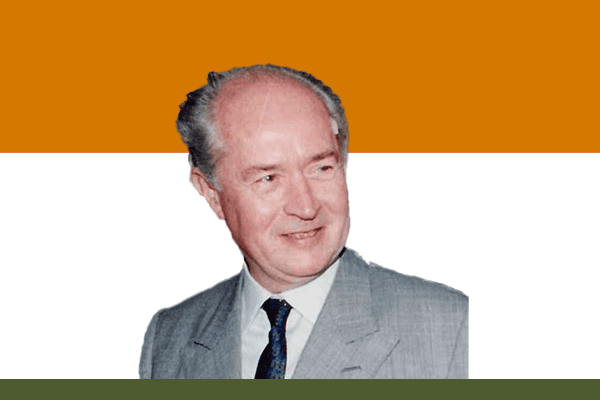
Early Life and Education
George Vassiliou was born on May 20, 1931, in Famagusta, Cyprus, which was then under British colonial rule. He grew up in a politically aware environment and developed an early interest in economics and international affairs. He pursued higher education in the United Kingdom, where he studied economics and later completed his academic training. His education helped him gain a deep understanding of global economic systems, which later influenced his political and economic policies.
After finishing his studies, he returned to Cyprus and entered the business sector. He built a successful career as an entrepreneur and businessman. His achievements in the private sector gave him valuable management experience and a reputation for competence and innovation.
Entry into Politics
George Vassiliou entered politics later in life compared to many political leaders. Instead of following a traditional political career, he first established himself as a respected business leader. His experience in trade and commerce made him widely known in Cyprus. In the late 1980s, he decided to run for the presidency as an independent candidate.
In 1988, he contested the presidential election and achieved a surprising victory. His campaign emphasized economic reform, modernization, and diplomatic engagement. Many voters supported him because they believed his business experience would help strengthen the country’s economy and improve governance.
Presidency of Cyprus (1988–1993)
George Vassiliou served as President of Cyprus from 1988 to 1993. During his presidency, he focused strongly on economic development and modernization. He encouraged foreign investment, improved economic policies, and promoted growth in tourism and international trade. These policies helped Cyprus maintain economic stability and growth during his leadership.
He also gave great attention to foreign policy. Vassiliou worked actively to strengthen Cyprus’s relationship with European institutions. His administration initiated important steps toward European integration. These efforts later contributed to Cyprus’s eventual membership in the European Union.
Another important priority during his presidency involved negotiations related to the Cyprus problem. The island had remained divided since 1974 after the Turkish military intervention. Vassiliou strongly supported diplomatic dialogue and worked with international organizations to find a peaceful solution. Although negotiations did not fully resolve the issue during his presidency, he maintained consistent efforts toward reconciliation and cooperation.
Political Philosophy and Leadership Style
George Vassiliou demonstrated a pragmatic and forward-looking leadership style. He valued economic efficiency, transparency, and modernization. His background in business shaped his approach to governance. Instead of relying only on traditional political methods, he focused on practical solutions and economic strategies.
He also believed strongly in international cooperation. He promoted closer ties with Europe and supported Cyprus’s integration into global political and economic systems. His policies aimed to strengthen Cyprus’s global presence and economic resilience.
Later Political Career and Legacy
After leaving the presidency in 1993, George Vassiliou remained active in public life. He continued to participate in political discussions and contributed to policy development in Cyprus and Europe. He also supported initiatives that promoted peace and cooperation in the region.
Vassiliou’s presidency left an important legacy in Cyprus’s modern political history. His economic reforms helped strengthen the country’s economy, while his diplomatic efforts improved Cyprus’s international relations. Many observers regard him as a leader who brought professionalism and economic expertise into Cypriot politics.
Conclusion
George Vassiliou played a significant role in shaping Cyprus’s political and economic development during the late twentieth century. His leadership combined business expertise with political vision. By focusing on economic modernization, European integration, and diplomatic dialogue, he helped guide Cyprus through a period of important transformation. His contributions continue to influence the country’s political and economic direction today.