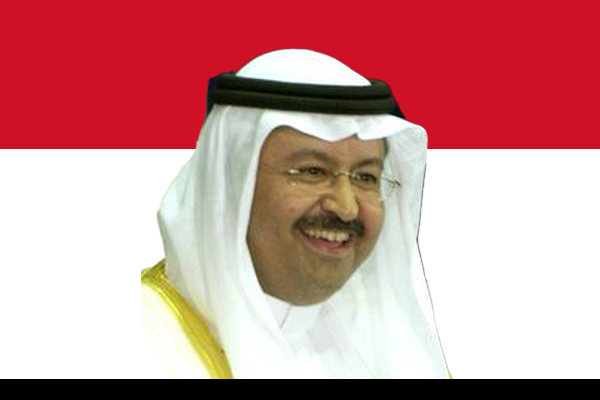
Early Life and Education
Ghazi al-Yawer was born in 1958 into the influential Shammar tribe, one of the largest tribal confederations in Iraq. His tribal background gave him social credibility across various regions and communities. Al-Yawer pursued higher education abroad, earning an engineering degree, which exposed him to international perspectives and modern administrative thinking. This blend of traditional authority and modern education later shaped his political approach.
Entry into Politics
Al-Yawer entered national politics after the 2003 invasion of Iraq, when the existing political order collapsed. He became a member of the Iraqi Governing Council, a body formed to represent Iraq’s diverse ethnic and religious groups during the transitional period. Within this council, al-Yawer gained recognition for his balanced views and ability to communicate with different factions, including Sunnis, Shiites, Kurds, and tribal leaders.
Presidency of Iraq
In June 2004, Ghazi al-Yawer assumed the presidency following the transfer of sovereignty from the Coalition Provisional Authority to the Iraqi Interim Government. As President, his role was largely symbolic but politically significant. He represented Iraq on the international stage and worked to foster national unity during a time of insurgency and political uncertainty.
Al-Yawer consistently advocated for Iraqi sovereignty and opposed the prolonged presence of foreign troops, arguing that Iraqis should take responsibility for their own security. At the same time, he called for cooperation with the international community to rebuild institutions and stabilize the country.
Leadership Style and Vision
President al-Yawer adopted a conciliatory leadership style. Rather than relying on authoritarian measures, he emphasized dialogue, constitutional processes, and inclusivity. He supported the drafting of a permanent constitution and encouraged participation in democratic elections. His vision centered on a federal, democratic Iraq where all communities felt represented.
His tribal roots helped him connect with grassroots leaders, while his modern outlook appealed to reform-minded politicians. This dual identity allowed him to act as a bridge between tradition and modern governance.
Challenges During His Tenure
Al-Yawer’s presidency coincided with intense violence, political instability, and economic hardship. Sectarian tensions and insurgent attacks threatened the fragile political process. Despite these challenges, he maintained a calm and dignified presence, often calling for restraint and national dialogue instead of retaliation.
Limited executive power restricted his ability to implement sweeping reforms, yet his moral authority and public statements played an important role in shaping national discourse.
Post-Presidency and Legacy
After completing his term in 2005, Ghazi al-Yawer stepped away from frontline politics but remained an influential public figure. His legacy lies in his role as a transitional president who helped ensure a peaceful handover of power and upheld the principle of constitutional governance.
Al-Yawer is widely regarded as a symbol of moderation during a turbulent era. His presidency demonstrated that leadership rooted in consensus and respect could contribute to stability, even under extreme pressure.
Conclusion
President Ghazi Mashal Ajil al-Yawer occupies a significant place in modern Iraqi history. As a transitional leader, he guided Iraq through a critical moment with dignity, balance, and a commitment to national unity. His tenure underscores the importance of inclusive leadership in rebuilding a nation emerging from conflict.