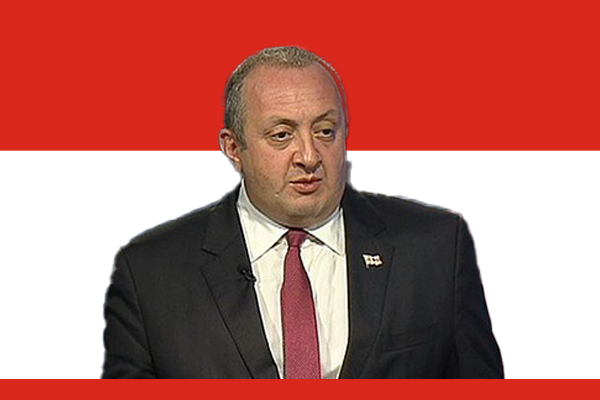
Early Life and Education
Giorgi Margvelashvili was born on September 4, 1969, in Tbilisi, the capital city of Georgia. He grew up during the Soviet era, a time when Georgia was part of the Soviet Union. From a young age, he showed a strong interest in education, philosophy, and public affairs.
He studied philosophy at Tbilisi State University, one of the most prestigious institutions in the country. He later continued his education abroad, including studies in sociology. His academic background helped him develop critical thinking skills and a deep understanding of political and social systems.
Before entering politics, Margvelashvili worked as a professor and academic administrator. He also served as rector of the Georgian Institute of Public Affairs, where he contributed to the education of future public servants.
Entry into Politics
Margvelashvili entered politics later in life compared to many career politicians. His political rise was closely linked with the political coalition Georgian Dream, which emerged as a major political force in Georgia in the early 2010s.
In 2012, after Georgian Dream won parliamentary elections, Margvelashvili was appointed Minister of Education and Science. During his time as minister, he focused on improving education standards, promoting fairness, and reducing political influence in schools and universities.
His calm personality, academic reputation, and clean public image made him a strong presidential candidate.
Presidency (2013–2018)
In October 2013, Margvelashvili won the presidential election with a large majority. He succeeded Mikheil Saakashvili, who had been a dominant political figure in the country.
Margvelashvili’s presidency was unique because constitutional reforms reduced presidential powers and transferred more authority to the prime minister and parliament. As a result, his role was more focused on representing national unity, protecting the constitution, and supporting democratic institutions.
Despite having less executive power, he remained an important voice in Georgian politics. He often spoke about:
Strengthening democracy
Protecting freedom of speech
Supporting the rule of law
Encouraging European integration
During his presidency, he sometimes had disagreements with leaders of his former political coalition, including Prime Minister Giorgi Kvirikashvili. These disagreements showed his independence and willingness to defend his constitutional role.
Contributions and Leadership Style
Margvelashvili was widely seen as an intellectual and thoughtful leader. Unlike more aggressive political figures, he preferred dialogue, discussion, and constitutional processes.
His key contributions include:
Supporting Georgia’s democratic development
Ensuring peaceful political transitions
Promoting education and civic values
Defending the independence of state institutions
He also represented Georgia internationally and supported closer relations with Europe and Western countries.
Life After Presidency
Margvelashvili left office in December 2018 after completing his five-year term. He was succeeded by Salome Zourabichvili.
After his presidency, he returned to academic and public activities. He remained involved in discussions about democracy, governance, and Georgia’s future.
Legacy
Giorgi Margvelashvili’s presidency is remembered as a stable and peaceful period in Georgian political history. He played an important role during the country’s transition to a parliamentary system.
His background as an academic helped shape his leadership style, which focused on ideas, law, and democratic values rather than personal power.