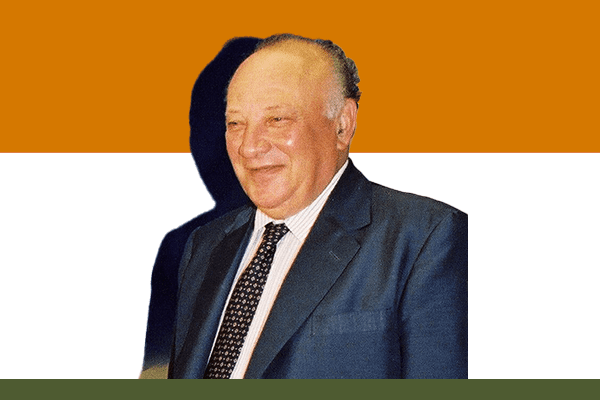
Early Life and Background
Glafcos Ioannou Clerides was born on April 24, 1919, in Nicosia, Cyprus, when the island was under British rule. He came from a politically active family, which helped shape his interest in public service from an early age. He studied law in London and later served in the Royal Air Force during the Second World War. During the war, enemy forces captured him, and he spent time as a prisoner of war. These experiences strengthened his character and deepened his understanding of sacrifice and national duty.
After the war, Clerides returned to Cyprus and began a successful legal career. He quickly gained recognition as a skilled lawyer and became involved in the movement for Cypriot self-determination. During the struggle against British colonial rule in the 1950s, he supported the cause of independence and took part in important political developments that led to the creation of the Republic of Cyprus in 1960.
Political Career and Presidency
Glafcos Clerides emerged as one of the founding figures of the Republic of Cyprus. In 1960, he became President of the House of Representatives, a major leadership position that placed him at the center of national politics. When President Archbishop Makarios III left Cyprus temporarily in 1974 during the political crisis and Turkish invasion, Clerides served as Acting President of the Republic. His leadership during this tense and dangerous period was widely respected.
In 1976, he founded the Democratic Rally (DISY), a center-right political party that became one of the most powerful parties in Cyprus. Through DISY, Clerides promoted democratic values, free-market reforms, and stronger relations with Western nations. His influence continued to grow, and in 1993 he won the presidential election, becoming the fourth President of Cyprus.
As President, Glafcos Clerides served from 1993 to 2003. During his ten years in office, he focused on strengthening the economy, modernizing state institutions, and improving Cyprus’s defense capabilities. One of his most important goals was achieving Cyprus’s entry into the European Union. Under his leadership, Cyprus made significant progress in meeting EU requirements, and the country signed the accession treaty shortly before he left office.
Peace Efforts and Legacy
One of the defining features of Clerides’s presidency was his commitment to reunifying Cyprus. The island had remained divided since 1974, with the Greek Cypriot south and the Turkish-controlled north separated by a buffer zone. Clerides believed that negotiation and diplomacy offered the best path forward. He participated in many rounds of United Nations-sponsored peace talks and worked with international leaders to find a fair and lasting solution.
Although a final settlement was not reached during his presidency, his efforts demonstrated courage and realism. He understood the complexity of the Cyprus issue and consistently advocated compromise without abandoning national principles. Many people praised him for his statesmanship and willingness to engage in dialogue even under difficult political circumstances.
After leaving office in 2003, Clerides remained an important voice in Cypriot public life. He continued to support peace initiatives and shared his views on the future of Cyprus. He died on November 15, 2013, at the age of 94. His death marked the end of an era in Cypriot politics.
Conclusion
President Glafcos Clerides stands as one of Cyprus’s greatest modern leaders. His long service to the nation, his dedication to democracy, and his steady leadership during times of crisis earned him lasting respect. From his early years as a lawyer and wartime veteran to his presidency and peace efforts, he devoted his life to the progress and security of Cyprus. His legacy continues to inspire future generations of leaders and citizens.