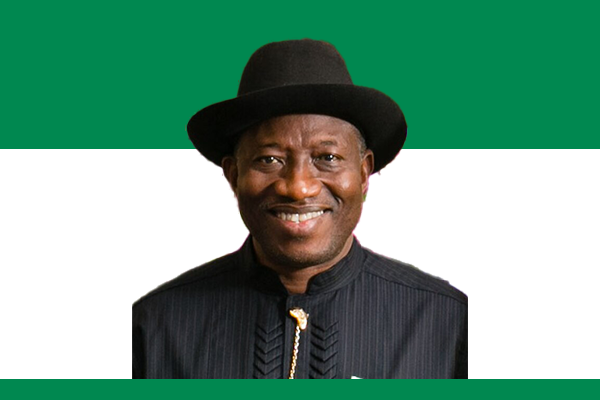
Early Life and Education
Goodluck Ebele Azikiwe Jonathan was born on November 20, 1957, in Otuoke, Bayelsa State, Nigeria. He grew up in a humble background in the Niger Delta region. Jonathan pursued education with dedication and earned a Bachelor’s degree in Zoology, a Master’s in Hydrobiology, and a Doctorate in Zoology from the University of Port Harcourt. His passion for learning and public service guided his path toward politics.
Political Beginnings
Goodluck Jonathan began his political career in the late 1990s when Nigeria was transitioning from military to civilian rule. He joined the People’s Democratic Party (PDP) and quickly gained recognition for his calm demeanor and honest reputation. In 1999, he became the Deputy Governor of Bayelsa State under Governor Diepreye Alamieyeseigha. When Alamieyeseigha was impeached in 2005, Jonathan stepped up as Governor of Bayelsa State, showcasing competence and integrity in governance.
Rise to National Leadership
Goodluck Jonathan’s leadership skills earned him national attention, leading to his selection as the running mate to Umaru Musa Yar’Adua in the 2007 presidential election. The duo won, and Jonathan became Vice President of Nigeria. When President Yar’Adua fell ill in 2009, Jonathan took charge of state affairs, ensuring stability during uncertain times. In 2010, following Yar’Adua’s death, Jonathan was sworn in as President, making history as the first Nigerian from the Niger Delta to assume the presidency.
Presidency and Reforms
As President, Goodluck Jonathan prioritized economic growth, education, and infrastructure. He launched the Transformation Agenda, which aimed to diversify Nigeria’s economy beyond oil dependency. Under his leadership, Nigeria’s GDP expanded significantly, and the country became the largest economy in Africa in 2014.
Jonathan also emphasized education, introducing initiatives such as the Almajiri Education Program to integrate Islamic education with modern learning in northern Nigeria. His government established more universities and improved access to quality education nationwide.
In the energy sector, Jonathan implemented power reforms to improve electricity generation and attract private investment. He also encouraged agricultural development, empowering farmers and reducing food imports. His administration promoted women’s participation in governance, appointing several female ministers to key positions, including Finance Minister Ngozi Okonjo-Iweala.
Security and Challenges
Goodluck Jonathan’s presidency faced major challenges, particularly the rise of the Boko Haram insurgency in northeastern Nigeria. His government launched counter-terrorism operations and sought international cooperation to combat extremism. Despite criticisms over the handling of the Chibok schoolgirls’ abduction in 2014, Jonathan maintained Nigeria’s unity and democratic institutions during turbulent times.
Corruption and governance issues also tested his administration. He established reforms to strengthen transparency and accountability, including supporting the Nigeria Extractive Industries Transparency Initiative (NEITI).
Democratic Legacy
In 2015, Goodluck Jonathan made history by conceding defeat to opposition leader Muhammadu Buhari, becoming the first incumbent Nigerian president to peacefully transfer power through democratic elections. His concession speech earned him global respect and positioned him as a symbol of true democracy in Africa.
After leaving office, Jonathan continued promoting peace and democracy across Africa. He served as a mediator and election observer for the African Union and ECOWAS, advocating good governance and electoral integrity.
Conclusion
President Goodluck Jonathan’s journey reflects integrity, humility, and dedication to national service. From his modest beginnings to leading Africa’s most populous nation, he demonstrated visionary leadership focused on transformation, peace, and democracy. His legacy as a peaceful and democratic leader continues to inspire Nigerians and the global community.