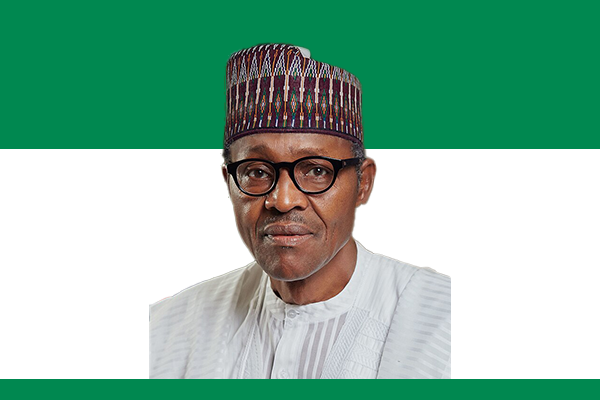
Early Life and Military Background
Muhammadu Buhari was born on December 17, 1942, in Daura, Katsina State, Nigeria. He grew up in a modest Fulani family and showed discipline and determination from an early age. Buhari attended primary and secondary schools in Katsina before joining the Nigerian Military Training College in 1961. He later trained in the United Kingdom, India, and the United States, which helped him develop strong military and leadership skills.
As a young officer, Buhari served with distinction in the Nigerian Army. He took part in several key missions, including the Nigerian Civil War from 1967 to 1970. His courage and sense of duty earned him rapid promotions. By the late 1970s, he became one of the most respected officers in the country.
Military Leadership and the 1983 Coup
In December 1983, Buhari led a military coup that overthrew President Shehu Shagari’s civilian government. He justified his action by claiming that corruption, economic decline, and poor governance had weakened Nigeria. As the Head of State, Buhari introduced strict policies aimed at restoring discipline and reducing corruption.
He launched the “War Against Indiscipline,” encouraging Nigerians to follow rules, work honestly, and respect national values. Buhari also focused on economic self-reliance by reducing imports and promoting local production. However, his military regime faced criticism for human rights abuses, censorship, and harsh punishments. In 1985, General Ibrahim Babangida removed him from power through another coup.
Return to Democracy and Political Journey
After leaving power, Buhari stayed active in national affairs. He transitioned from military leadership to democratic politics, believing he could still serve Nigeria. In 2002, he joined politics formally and became the presidential candidate of the All Nigeria Peoples Party (ANPP). He ran unsuccessfully for president in 2003, 2007, and 2011, but his persistence showed his commitment to democracy.
In 2013, Buhari helped form the All Progressives Congress (APC), a coalition aimed at defeating the ruling People’s Democratic Party (PDP). His message of fighting corruption, improving security, and boosting the economy resonated with millions of Nigerians. In 2015, he won the presidential election, defeating incumbent President Goodluck Jonathan and making history as the first opposition candidate to win a democratic election in Nigeria.
Presidency and Reforms
As president, Buhari focused on three major priorities: fighting corruption, improving security, and strengthening the economy. He launched anti-corruption campaigns that targeted public officials accused of embezzlement and misuse of funds. His administration recovered billions of naira from corrupt individuals and promoted transparency in government spending.
Buhari also made security a national priority. He intensified the fight against Boko Haram and other insurgent groups in northern Nigeria. His government improved cooperation with neighboring countries and international partners to strengthen regional stability.
Economically, Buhari aimed to reduce Nigeria’s dependence on oil by promoting agriculture, manufacturing, and digital innovation. He introduced social welfare programs to support the poor and unemployed, such as the N-Power initiative. Despite facing challenges like recession, inflation, and the COVID-19 pandemic, Buhari maintained his focus on reform and recovery.
Legacy and Impact
President Muhammadu Buhari left a mixed but influential legacy. Supporters praised his integrity, discipline, and determination to fight corruption. Critics argued that his government struggled with economic management and human rights issues. Nevertheless, Buhari’s leadership reshaped Nigeria’s political landscape and inspired a new generation of leaders to value honesty and accountability.
Buhari’s journey from a disciplined soldier to a democratically elected president symbolizes resilience and patriotism. He showed Nigerians that leadership requires courage, persistence, and commitment to national progress.
Conclusion
President Muhammadu Buhari’s story is one of service, reform, and determination. His leadership combined military discipline with democratic ideals, leaving a lasting mark on Nigeria’s history. Through his actions, he reminded citizens that change begins with integrity and dedication to the nation.