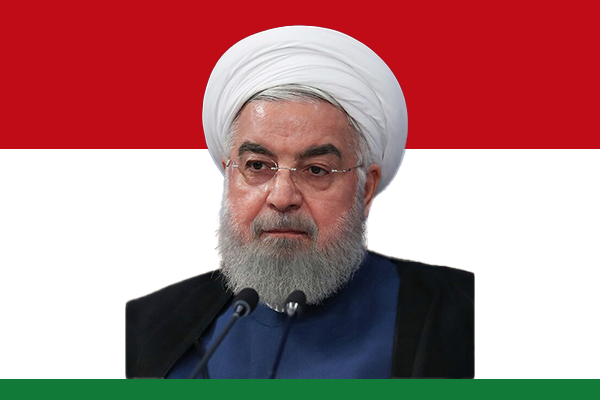
Early Life and Political Rise
Hassan Rouhani, born in 1948 in Sorkheh, Iran, grew up in an environment that valued education and public service. He developed an early interest in religion and political thought, which pushed him toward clerical studies and later political involvement. He pursued higher education in law and actively participated in political movements that shaped Iran’s direction before and after the 1979 Islamic Revolution. As the revolution unfolded, he took on increasing responsibilities, demonstrating his organizational skills and commitment to the new political system. His rise through Iran’s political ranks reflected his reputation for discipline, negotiation, and strategic thinking.
Path to the Presidency
Rouhani built his political career through multiple roles in national security and legislative affairs. He served in parliament for several terms and gained recognition as a bridge-builder among various political factions. His work as Secretary of the Supreme National Security Council strengthened his influence in major national decisions. When he announced his presidential candidacy in 2013, he positioned himself as a moderate leader who promised accountability, economic stability, and constructive foreign relations. Many voters saw him as a leader capable of easing tensions at home and abroad, and they elected him with significant support.
Economic Reform and Domestic Agenda
As president, Rouhani confronted severe economic challenges, including inflation and sanctions that had disrupted Iran’s financial system. He responded by launching economic reforms that promoted transparency, encouraged foreign investment, and stabilized markets. He prioritized growth in key sectors such as energy, technology, and infrastructure. His administration worked to control inflation, restore confidence among business communities, and address budget deficits. While economic hardship remained, he steadily pushed for long-term stability and financial inclusion. He also supported social reforms, advocating for improved rights, educational opportunities, and digital access, especially for youth and women.
Diplomacy and the Nuclear Agreement
Rouhani placed diplomacy at the center of his foreign policy. He argued that Iran needed strong international engagement to secure economic recovery and protect national interests. His administration entered direct negotiations with world powers, aiming to resolve long-standing tensions surrounding Iran’s nuclear program. These efforts culminated in the 2015 Joint Comprehensive Plan of Action (JCPOA). Rouhani publicly supported the agreement as a path toward reduced sanctions, enhanced trade, and renewed global cooperation. He emphasized diplomacy over confrontation and encouraged dialogue as the most effective tool for national progress. Although later international developments challenged the agreement, he consistently defended diplomatic solutions.
Challenges and Criticisms
Rouhani also faced domestic opposition, political pressure, and public frustration. Critics argued that his economic promises advanced too slowly or benefited limited sectors. Hardliners challenged his engagement with the West, claiming that negotiations weakened national sovereignty. Despite these criticisms, he continued advocating moderation and openness. He addressed protests, economic grievances, and political differences by encouraging dialogue and reform rather than repression. He also worked to maintain unity within Iran’s diverse political landscape.
Legacy and Impact
Rouhani completed two presidential terms and left behind a mixed yet influential legacy. Many observers credit him with reducing international isolation and promoting diplomatic engagement. His efforts to improve economic stability brought partial relief and paved the way for future reforms. His presidency highlighted the importance of negotiation, patience, and long-term vision in addressing national challenges. Although debates about his success continue, his leadership shaped Iran’s modern political environment and influenced global perceptions of the country.