Mr. Heydar Aliyev
In Office: 10 October 1993 – 31 October 2003
Political Party: New Azerbaijan Party
Home State: Baku
Lifespan: 1923–2003
Country: Azerbaijan
Image credits available here.
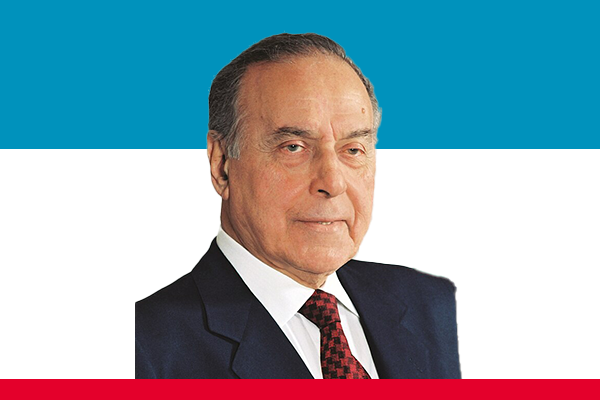
Early Life and Career
Aliyev’s early years were spent in the Nakhchivan Autonomous Soviet Socialist Republic. After completing his education at the Azerbaijan State Oil Academy, he began his career in the Soviet security and political system. He rose quickly through the ranks of the KGB, demonstrating a combination of strategic intelligence and administrative skills. By the 1960s, Aliyev had established himself as a key figure in Azerbaijan’s political landscape.
In 1969, Aliyev became the First Secretary of the Communist Party of Azerbaijan, a position he held until 1982. During this time, he focused on modernizing Azerbaijan’s industrial and agricultural sectors. He implemented policies that improved infrastructure, expanded educational opportunities, and promoted cultural development. His leadership style earned him widespread recognition, and he became known for combining pragmatism with strong governance.
Leadership in Independent Azerbaijan
Following the dissolution of the Soviet Union in 1991, Azerbaijan faced political instability, economic hardship, and armed conflict in the Nagorno-Karabakh region. Amidst this uncertainty, Heydar Aliyev returned from Moscow to Azerbaijani politics, quickly regaining influence due to his experience and reputation. In 1993, he was elected as the President of Azerbaijan, marking the beginning of a transformative era.
As President, Aliyev prioritized national stability and unity. He worked to consolidate political power, establish state institutions, and foster national identity. Recognizing the importance of economic growth, he initiated reforms to attract foreign investment, particularly in the oil and gas sector. The signing of major energy agreements, including the “Contract of the Century” in 1994, positioned Azerbaijan as a key player in the global energy market and boosted its economic development.
Domestic and Foreign Policy
Heydar Aliyev’s domestic policies focused on rebuilding the economy, improving education, and strengthening governance. He promoted modernization while maintaining Azerbaijan’s cultural heritage. His policies laid the foundation for a more resilient state capable of confronting internal and external challenges.
On the international stage, Aliyev pursued a balanced foreign policy. He strengthened relations with neighboring countries, Western powers, and global organizations. He emphasized Azerbaijan’s strategic importance as a bridge between East and West and sought to secure international recognition for its sovereignty and territorial integrity.
Legacy
Heydar Aliyev passed away on December 12, 2003, leaving behind a legacy of political stability, economic progress, and national unity. His leadership style, characterized by pragmatism, resilience, and foresight, continues to influence Azerbaijan’s political landscape. He is widely regarded as the architect of modern Azerbaijan, with his policies shaping the country’s trajectory well into the 21st century.
Aliyev’s legacy also endures through his family, particularly his son Ilham Aliyev, who succeeded him as President. Beyond politics, Heydar Aliyev is remembered for his contributions to Azerbaijani culture, education, and international diplomacy. His life story remains a testament to the transformative power of leadership during periods of profound national change.