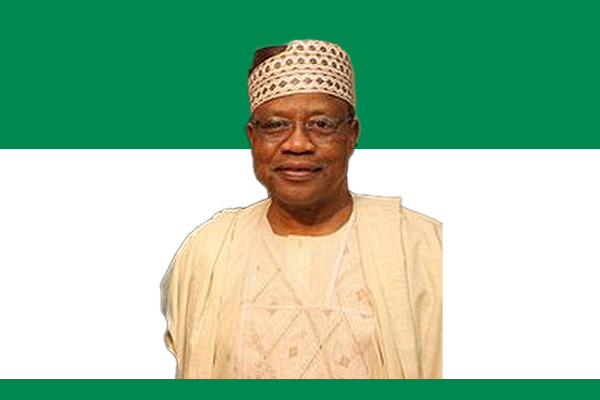
Early Life and Military Career
Ibrahim Badamasi Babangida was born on August 17, 1941, in Minna, Niger State, Nigeria. He joined the Nigerian Army in 1962 and received training both locally and abroad. His strong leadership qualities quickly earned him respect among his peers. During the Nigerian Civil War (1967–1970), Babangida played an active role, displaying courage and tactical skill in combat. His dedication and professionalism helped him rise through the ranks.
Rise to Power
In 1985, Babangida overthrew General Muhammadu Buhari in a bloodless military coup. He justified the coup by promising a more open, people-centered administration. After taking power, Babangida became Nigeria’s military president, introducing policies that aimed to stabilize the economy and improve governance. He sought to modernize Nigeria’s political and economic systems, focusing on restructuring state institutions and expanding public participation in governance.
Economic Reforms and Structural Adjustment Program
Babangida’s government launched the Structural Adjustment Program (SAP) in 1986 to revive Nigeria’s struggling economy. The program aimed to diversify the economy, reduce dependency on oil, and encourage private enterprise. Under his leadership, the government devalued the naira, removed subsidies, and liberalized trade.
Although these policies were intended to stimulate growth, they also led to inflation and economic hardship for ordinary Nigerians. Babangida defended his policies, arguing that short-term pain was necessary for long-term development. His reforms transformed Nigeria’s economic structure, but they also deepened public dissatisfaction and poverty among low-income groups.
Political Transition and the Road to Democracy
Babangida promised to return Nigeria to civilian rule. He initiated a political transition program that included the creation of two political parties—the Social Democratic Party (SDP) and the National Republican Convention (NRC). Elections were conducted in stages, and Nigerians began to see a glimpse of democratic participation after years of military rule.
However, Babangida’s democratic promise faltered when he annulled the June 12, 1993, presidential election, widely regarded as Nigeria’s freest and fairest. The presumed winner, Moshood Kashimawo Olawale (MKO) Abiola, was denied power, sparking nationwide protests and unrest. This decision became one of the most controversial actions of Babangida’s rule.
End of Regime and Resignation
Mounting pressure from civil society, political groups, and the international community forced Babangida to step down in August 1993. He handed power to an interim government led by Ernest Shonekan. Babangida described his resignation as an act of sacrifice meant to preserve national unity and peace.
Legacy and Impact
Ibrahim Babangida remains one of Nigeria’s most debated leaders. Supporters praise his bold economic reforms, infrastructural projects, and efforts to modernize governance. Critics, however, condemn his authoritarian style, corruption allegations, and the annulment of the 1993 election.
Babangida’s rule left a lasting impact on Nigeria’s political and economic development. He reshaped national policies, introduced structural reforms, and expanded the military’s influence in politics. Even after retirement, Babangida continued to influence Nigerian politics through his advice and mentorship to younger leaders.
Conclusion
President Ibrahim Babangida’s leadership reflected both ambition and controversy. He transformed Nigeria’s economic direction and introduced political reforms, yet his decisions also triggered unrest and distrust. His era remains a critical chapter in Nigeria’s history—a time of transformation, turbulence, and transition that still shapes the nation’s democratic journey.