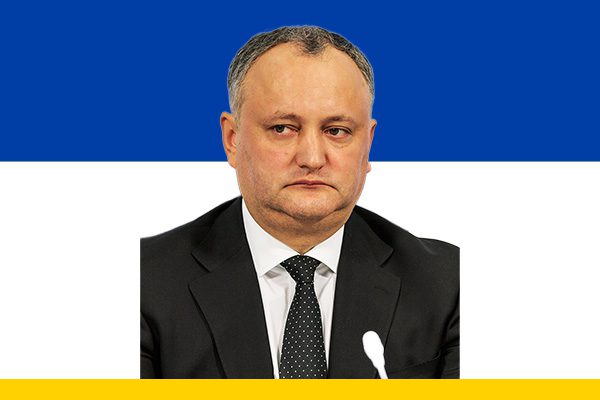
Early Life and Education
Igor Dodon was born on February 18, 1975, in Sadova, a village in Moldova. He grew up during a period of political and economic change in the region. From an early age, he showed an interest in economics and public affairs.
Dodon pursued higher education in economics and business administration. He studied at the State Agrarian University of Moldova and later continued his academic development through postgraduate studies. His educational background provided him with the knowledge and skills that later supported his work in government and public administration.
Entry into Politics
Dodon began his political career by working in economic and governmental institutions. His expertise in economics helped him gain important positions within Moldova’s government.
He joined the Party of Communists of the Republic of Moldova and quickly advanced through its ranks. Between 2006 and 2009, he served as Minister of Economy and Trade. During this period, he worked on economic policies, trade development, and investment initiatives aimed at improving Moldova’s economy.
His performance in government increased his national profile and established him as an influential political figure.
Leadership of the Socialist Party
After leaving the Communist Party, Dodon joined the Party of Socialists of the Republic of Moldova. He became one of the party’s leading figures and helped expand its popularity across the country.
Under his leadership, the Socialist Party advocated policies that emphasized social welfare, economic development, and stronger ties with Russia. The party also promoted the protection of traditional values and national interests.
Dodon’s leadership transformed the Socialists into one of Moldova’s most powerful political forces. His ability to connect with voters helped the party gain significant support in parliamentary and local elections.
Presidency of Moldova
In 2016, Igor Dodon won the presidential election and became the President of Moldova. His victory marked an important moment in the country’s political history.
As president, Dodon focused on economic cooperation, social programs, and foreign relations. He sought to strengthen diplomatic and economic ties with Russia while maintaining Moldova’s relationships with other international partners.
During his presidency, he frequently discussed issues such as national sovereignty, economic growth, and social stability. Supporters praised his efforts to protect national interests and improve relations with key regional partners.
Challenges and Controversies
Like many political leaders, Dodon faced challenges and criticism during his career. Political opponents disagreed with some of his policies and his approach to foreign affairs. Moldova’s political environment remained highly competitive, leading to frequent debates over the country’s strategic direction.
Despite these challenges, Dodon remained a prominent public figure and continued to influence political discussions within Moldova.
Legacy and Influence
Igor Dodon remains one of the most recognizable politicians in modern Moldovan history. His presidency and leadership within the Socialist Party left a lasting impact on the country’s political system.
His supporters view him as a leader who defended Moldova’s interests and promoted economic cooperation. Critics continue to debate aspects of his policies, but few dispute his importance in Moldova’s recent political development.
Conclusion
Igor Dodon’s journey from an economics student to the presidency demonstrates his significant role in Moldovan politics. Through his work in government, party leadership, and the presidency, he influenced national policies and public debate. His career continues to attract attention from political observers and citizens interested in Moldova’s future.