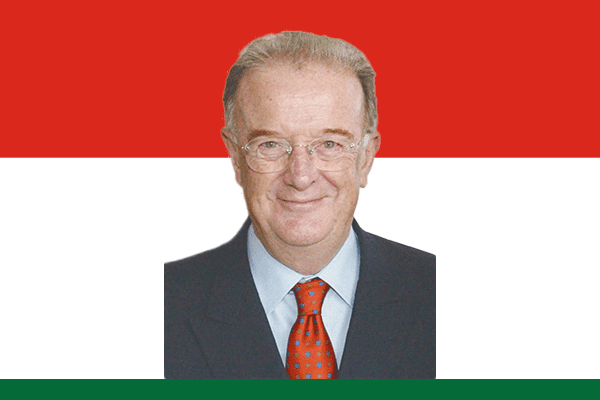
Early Life and Education
Jorge Sampaio was born on September 18, 1939, in Lisbon, Portugal. He grew up in a politically aware family that encouraged critical thinking and social responsibility. He studied law at the University of Lisbon, where he became actively involved in student movements. During his academic years, he opposed authoritarian rule and advocated for democratic reforms.
Instead of remaining silent under political pressure, he actively participated in protests and legal activism. His early experiences shaped his lifelong commitment to defending civil liberties and democratic values.
Political Career
Sampaio built his political career through consistent activism and leadership. After the Carnation Revolution, which ended dictatorship in Portugal, he took an active role in shaping the country’s democratic institutions. He joined the Socialist Party and worked to strengthen its influence in national politics.
He served as a Member of Parliament and later became Secretary-General of the Socialist Party. Rather than adopting a passive role, he led the party with determination and clarity. From 1989 to 1995, he served as Mayor of Lisbon, where he implemented urban development projects and improved public services. His leadership at the local level demonstrated his ability to manage complex administrative responsibilities.
Presidency
In 1996, Jorge Sampaio became President of Portugal. During his presidency, he actively upheld the constitution and ensured political stability. He used his authority responsibly and intervened when necessary to maintain democratic order.
One of his most significant decisions came in 2004 when he dissolved parliament and called for early elections. He took this step to address political instability and restore public confidence in governance. Rather than avoiding difficult choices, he acted decisively to protect democratic institutions.
He also promoted social inclusion, education, and cultural development. He supported initiatives that addressed inequality and encouraged civic participation. His presidency reflected a strong commitment to fairness and national unity.
International Role and Humanitarian Work
After completing his presidency in 2006, Sampaio continued to serve the international community. He worked with the United Nations as the High Representative for the Alliance of Civilizations. In this role, he actively promoted dialogue between cultures and religions.
He also focused on global health and education initiatives. He launched programs to support students from conflict-affected regions, helping them access higher education. Instead of retiring from public life, he expanded his efforts to address global challenges and humanitarian concerns.
Leadership Style and Legacy
Jorge Sampaio led with integrity, empathy, and a strong sense of justice. He actively listened to citizens and addressed their concerns with thoughtful policies. He avoided political extremes and focused on consensus-building.
His legacy reflects his dedication to democracy, human rights, and social progress. He strengthened Portugal’s democratic institutions and enhanced its international reputation. His work in promoting intercultural dialogue and education continues to influence global initiatives.
Conclusion
Jorge Sampaio remains a respected figure in Portuguese history. Through active leadership and unwavering commitment to democratic values, he shaped Portugal’s modern identity. His contributions at both national and international levels highlight his enduring impact.