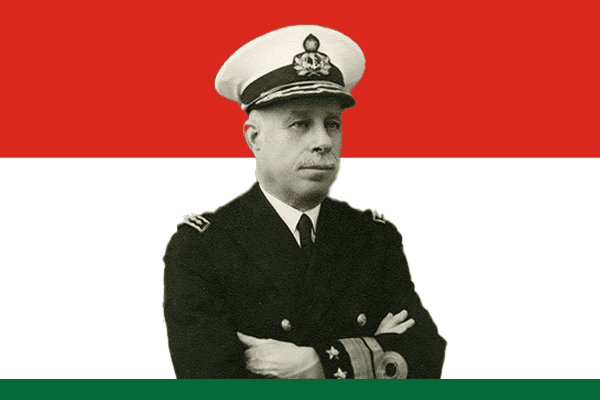
Early Life and Background
José Mendes Cabeçadas was born on August 19, 1883, in Loulé, Portugal. He grew up in a period marked by political instability and growing dissatisfaction with the monarchy. Instead of remaining detached from public affairs, he developed a strong sense of patriotism and commitment to reform.
He pursued a career in the navy, where he received formal military education and training. During his service, he built a reputation as a disciplined and capable officer. His experiences in the navy strengthened his leadership skills and exposed him to the broader political issues affecting Portugal.
Role in the Republican Revolution
Cabeçadas actively participated in the 5 October 1910 revolution, which overthrew the monarchy and established the Portuguese Republic. As a naval officer, he supported revolutionary forces and contributed to the success of the movement.
Rather than acting passively, he took initiative and aligned himself with republican ideals. His involvement in the revolution demonstrated his commitment to political change and modernization. The success of the revolution marked a turning point in Portuguese history and elevated his status as a national figure.
Political Career and Leadership
After the establishment of the republic, Cabeçadas continued to play an active role in politics. He held several important positions and worked to stabilize the new political system. His leadership reflected his desire to bring order and effective governance to Portugal.
In 1926, during a period of political unrest, he became a central figure in the 28 May 1926 coup d’état. He assumed leadership roles, serving briefly as both Prime Minister and President of Portugal. Instead of maintaining the previous unstable system, he sought to reorganize the government and restore stability.
However, his moderate approach and efforts to balance different political factions faced resistance. Other military leaders pushed for more authoritarian control, which eventually led to his removal from power. Despite this setback, his actions significantly influenced the direction of Portuguese politics.
Challenges and Political Struggles
Cabeçadas encountered numerous challenges throughout his career. Political divisions, instability, and competing ideologies made governance difficult. He attempted to navigate these challenges by promoting compromise and reform.
Rather than withdrawing from political life, he continued to engage with national issues and advocate for stability. His leadership style emphasized responsibility and active decision-making, even in uncertain circumstances.
Legacy and Historical Significance
José Mendes Cabeçadas left a lasting impact on Portuguese history. He contributed to the سقوط of the monarchy, supported the establishment of the republic, and played a key role in the events of 1926. His actions influenced the transition from a republican system to a more authoritarian regime.
Historians recognize him as a complex figure who sought to balance reform with stability. While he did not maintain long-term power, his contributions remain significant in understanding Portugal’s political evolution.
Conclusion
José Mendes Cabeçadas stands as an important figure in Portugal’s transition from monarchy to republic and beyond. Through active leadership and involvement in key historical events, he shaped the course of the nation’s history. His legacy reflects both the challenges and opportunities of political transformation in early 20th-century Portugal.