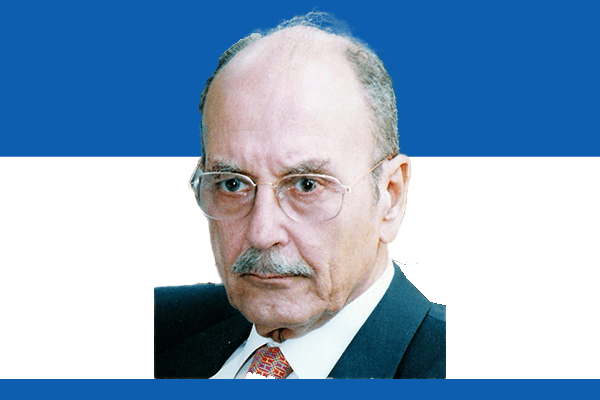
Early Life and Education
Konstantinos Stephanopoulos was born on August 15, 1926, in Patras, Greece. He grew up in a politically aware family, which shaped his early interest in public affairs. He studied law at the University of Athens and developed a strong foundation in legal and political thought. Instead of limiting himself to academic study, he actively engaged with contemporary political issues and debates.
After completing his education, he practiced law and built a reputation for discipline and professionalism. His early experiences prepared him for a long and influential career in politics.
Political Career
Stephanopoulos entered politics in the 1960s and quickly gained recognition for his dedication and leadership. He was elected to the Greek Parliament as a member of the conservative political camp. Throughout his parliamentary career, he took on important roles, including serving as a minister in various governments.
Rather than adopting a passive stance, he actively contributed to policymaking and governance. During a turbulent political period marked by the Greek military junta of 1967–1974, he maintained his commitment to democratic principles. After the restoration of democracy, he continued to play a significant role in shaping Greece’s political landscape.
He later founded the Democratic Renewal party, demonstrating his willingness to pursue independent political ideas. Although the party achieved limited electoral success, it reflected his determination to contribute meaningfully to national politics.
Presidency
In 1995, Konstantinos Stephanopoulos was elected President of Greece. He served two terms, remaining in office until 2005. As president, he performed primarily ceremonial duties, but he carried them out with exceptional dedication and responsibility.
He actively represented Greece on the international stage, strengthening diplomatic relations and enhancing the country’s global image. He also encouraged political stability at home by maintaining neutrality and fostering cooperation among political parties.
Instead of exercising authority in a distant manner, he connected with citizens through sincerity and transparency. His speeches often emphasized national unity, democratic values, and respect for institutions.
Leadership Style and Contributions
Stephanopoulos stood out for his modest and principled leadership style. He avoided political controversy and focused on building consensus. He actively promoted ethical conduct in public life and encouraged accountability among political leaders.
He also supported cultural and national initiatives, helping to preserve Greece’s rich heritage. His presidency coincided with important events, including Greece’s preparations for the 2004 Olympic Games in Athens, during which he played a symbolic but unifying role.
Rather than seeking personal recognition, he prioritized the dignity of the office and the well-being of the nation.
Personal Life
Konstantinos Stephanopoulos maintained a simple and private personal life. He never married and dedicated much of his time to public service. His modest lifestyle and disciplined character earned him admiration from citizens across political lines.
He remained committed to his principles throughout his life, demonstrating consistency between his public duties and personal values.
Legacy and Death
Stephanopoulos left a lasting legacy as one of Greece’s most respected modern presidents. He strengthened the credibility of the presidency and reinforced public confidence in democratic institutions. His calm leadership and ethical approach continue to serve as a model for future leaders.
He passed away on November 20, 2016, in Athens, leaving behind a legacy of integrity, service, and national unity.
Conclusion
Konstantinos Stephanopoulos exemplified responsible and active leadership in a constitutional role. Through dedication, humility, and strong democratic values, he shaped a presidency that resonated with the people of Greece. His contributions remain an important part of the country’s political history.