Mr. Kurmanbek Bakiyev
In Office: 14 August 2005 – 15 April 2010
Political Party: Independent
Home State: Naryn
Lifespan: born – 1949
Country: Kyrgyzstan
Image credits available here.
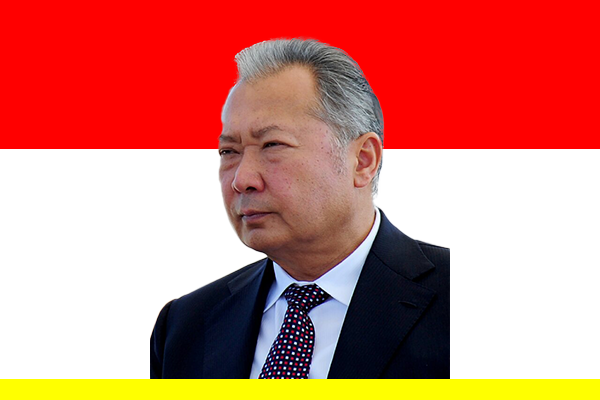
Early Life and Political Background
Kurmanbek Bakiyev was born on August 1, 1949, in the Jalal-Abad region of Kyrgyzstan. Trained as an engineer, he later moved into public administration during the Soviet period. After Kyrgyzstan gained independence in 1991, Bakiyev steadily advanced through government positions, gaining experience in regional administration and central governance. His background as a technocrat helped him build an image of administrative competence, particularly in southern Kyrgyzstan, where he enjoyed strong support.
Appointment as Prime Minister
Bakiyev served as Prime Minister of Kyrgyzstan from December 2000 to May 2002 under President Askar Akayev. His appointment came at a time of growing public dissatisfaction with economic hardship, corruption, and political stagnation. As Prime Minister, Bakiyev was expected to stabilize the government, manage economic reforms, and maintain public order during a sensitive period for the young republic.
Policies and Governance as Prime Minister
During his tenure, Kurmanbek Bakiyev focused on economic management, state administration, and regional stability. He supported market-oriented reforms and sought to improve state revenues in a country heavily dependent on agriculture, remittances, and limited natural resources. However, structural economic problems, poverty, and unemployment remained persistent challenges.
Bakiyev’s time as Prime Minister was also marked by political tension. Protests in southern Kyrgyzstan in 2002, particularly in the Aksy district, turned deadly when security forces fired on demonstrators. The incident led to widespread public outrage and severely damaged the credibility of the government. Although President Akayev retained ultimate authority, Bakiyev was held politically responsible and resigned from the post in May 2002.
Role in Opposition and Return to Power
After stepping down, Bakiyev emerged as a prominent opposition leader. He capitalized on public anger over corruption, repression, and economic inequality. His leadership in the opposition significantly increased his popularity, especially among citizens who felt marginalized by the existing political elite.
This momentum eventually contributed to the 2005 “Tulip Revolution,” which resulted in the overthrow of President Akayev. Following these events, Bakiyev returned to power, first as acting Prime Minister and President, and later as the elected President of Kyrgyzstan.
Assessment of His Prime Ministerial Legacy
Kurmanbek Bakiyev’s tenure as Prime Minister is often viewed as a turning point rather than a period of lasting reform. While relatively short, it exposed deep governance problems within the Kyrgyz political system. The Aksy events highlighted the fragile relationship between the state and society and demonstrated how public trust could rapidly collapse.
His experience as Prime Minister also shaped his later leadership style as President, where critics argue he centralized power and tolerated corruption. Supporters, however, claim that his early career showed an ability to mobilize political support and challenge entrenched elites.
Conclusion
Kurmanbek Bakiyev’s role as Prime Minister of Kyrgyzstan was a critical chapter in his political life. It served as both a test of leadership and a catalyst for his rise to national prominence. Though marked by controversy and crisis, his premiership helped redefine the political landscape of Kyrgyzstan and set the stage for major changes in the country’s governance.