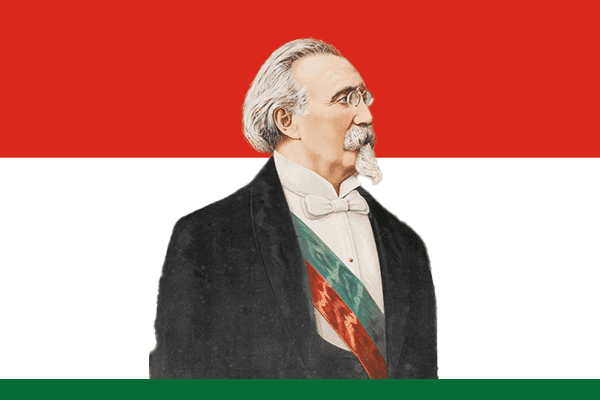
Early Life and Education
Manuel José de Arriaga Brum da Silveira was born on July 8, 1840, on the island of Faial in the Azores, Portugal. He grew up in a well-established family that valued education and civic responsibility. From an early age, he showed intellectual curiosity and a strong sense of justice.
He pursued higher education at the University of Coimbra, where he studied law. During his university years, he actively engaged in intellectual debates and developed his political views. Instead of remaining passive, he participated in discussions about governance, liberty, and reform, which shaped his future role as a republican leader.
Political Career and Republican Activism
Arriaga became a prominent advocate of republicanism at a time when Portugal operated under a monarchy. He actively opposed the existing system and worked to promote democratic reforms. As a skilled orator and writer, he influenced public opinion and inspired support for the republican cause.
He joined the Portuguese Republican Party and contributed to its growth. Rather than waiting for change, he actively campaigned for political transformation. His dedication helped lay the groundwork for the Portuguese Revolution of 1910, which ultimately overthrew the monarchy and established the republic.
Presidency (1911–1915)
In 1911, Manuel de Arriaga became the first elected president of Portugal. He assumed office during a period of instability, as the new republic faced internal divisions and political uncertainty. He worked actively to stabilize the government and strengthen democratic institutions.
As president, he sought to act as a unifying figure. He mediated conflicts between political factions and encouraged cooperation. However, the political environment remained turbulent, with frequent changes in government and ideological disagreements.
In 1915, Arriaga made a controversial decision when he supported a military intervention led by General Pimenta de Castro. He believed this action would restore order, but it instead intensified political tensions. As a result, he faced strong criticism and eventually resigned from office later that year.
Challenges and Leadership Style
Manuel de Arriaga encountered significant challenges during his presidency. The young republic struggled with instability, factionalism, and economic difficulties. Despite these obstacles, he maintained a commitment to democratic principles.
He adopted an active leadership style, engaging directly with political leaders and attempting to resolve conflicts. While some of his decisions sparked controversy, he consistently aimed to protect the republic and ensure its survival.
Later Life and Legacy
After resigning from the presidency, Arriaga withdrew from active politics but remained a respected figure in Portuguese society. He continued to support republican ideals and contributed to intellectual life through his writings.
He died on March 5, 1917, leaving behind a legacy as a pioneer of Portuguese democracy. Historians remember him as a principled leader who guided the nation during a critical period of transition.
Conclusion
Manuel de Arriaga played a vital role in the establishment and early development of the Portuguese Republic. Through active involvement in politics and dedication to democratic values, he helped shape modern Portugal. His presidency, though marked by challenges, demonstrated his commitment to national unity and political progress.