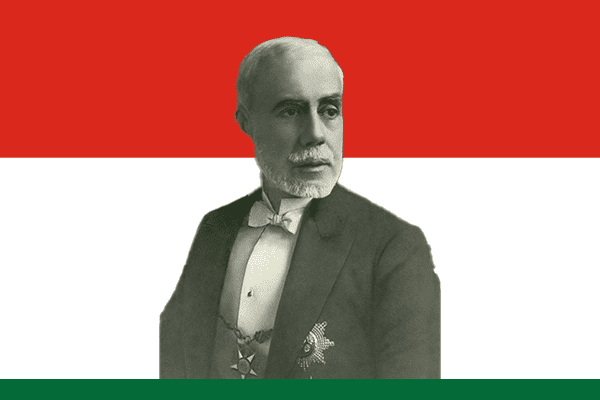
Early Life and Education
Manuel Teixeira Gomes was born on May 27, 1860, in Portimão, Portugal. He grew up in a wealthy and influential family, which allowed him access to quality education and intellectual development. From a young age, he showed a strong interest in literature, languages, and philosophy. He pursued his studies with dedication, focusing on broad cultural and academic subjects.
Instead of limiting himself to formal education, he traveled extensively across Europe and North Africa. These experiences broadened his worldview and enriched his understanding of different cultures and political systems. He developed a cosmopolitan outlook that later influenced his diplomatic career.
Diplomatic Career
Teixeira Gomes built a successful career in diplomacy before entering the highest level of politics. He served as Portugal’s ambassador to the United Kingdom, where he strengthened diplomatic relations and represented Portuguese interests effectively. He actively engaged with political leaders and used his communication skills to enhance Portugal’s international standing.
Through his diplomatic work, he gained valuable experience in negotiation and statecraft. He did not remain passive in his role; instead, he took initiative and contributed meaningfully to foreign policy discussions.
Presidency
In 1923, Manuel Teixeira Gomes assumed office as President of Portugal during the First Republic. At that time, the country faced political instability, economic challenges, and social unrest. He approached these issues with determination and a sense of responsibility.
As president, he worked to stabilize the political environment and support democratic institutions. He actively participated in governance and sought to maintain balance within a fragmented political system. However, ongoing instability and internal conflicts made his task difficult.
Rather than clinging to power, he chose to resign in 1925 when he recognized the limitations of his position in resolving the nation’s challenges. His resignation reflected his integrity and commitment to the country’s well-being over personal authority.
Literary Contributions
In addition to his political career, Teixeira Gomes distinguished himself as a writer. He produced essays, memoirs, and literary works that reflected his intellectual depth and cultural insights. His writings often explored themes of travel, identity, and human experience.
He used literature as a means of expression and reflection, contributing to Portugal’s cultural heritage. His active engagement in both politics and literature set him apart as a multifaceted شخصیت (personality).
Later Life and Exile
After resigning from the presidency, Teixeira Gomes chose to live in self-imposed exile in Algeria. He spent his later years writing and reflecting on his life and experiences. He maintained his intellectual pursuits and continued to contribute to literature.
He lived away from the political turmoil of Portugal, focusing instead on personal and creative endeavors. His decision to remain in exile demonstrated his independence and philosophical outlook on life.
Legacy and Significance
Manuel Teixeira Gomes left a lasting legacy as a leader who valued integrity, culture, and intellectual engagement. He actively contributed to Portugal’s diplomatic and political development during a challenging era. His willingness to step down from power highlighted his principled approach to leadership.
His literary works continue to influence Portuguese culture, while his political career reflects the complexities of leadership during times of instability. He remains an important figure in Portugal’s history.
Conclusion
Manuel Teixeira Gomes stands as a unique figure who combined politics, diplomacy, and literature. Through active leadership and thoughtful reflection, he shaped Portugal’s early republican period. His life and work continue to inspire those who value integrity, knowledge, and cultural contribution.