Early Life and Education
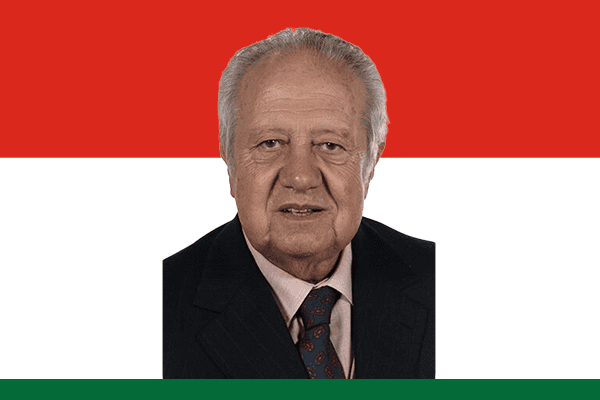
Mário Soares was born on December 7, 1924, in Lisbon, Portugal. He grew up in a politically aware family, which influenced his early interest in public affairs. He studied history and philosophy before pursuing a law degree at the University of Lisbon. During his student years, he actively opposed authoritarian rule and participated in movements that challenged the dictatorship of António de Oliveira Salazar.
Instead of remaining silent, Soares spoke out against repression and injustice. His political activism led to repeated arrests and periods of exile. These experiences strengthened his commitment to democracy and human rights.
Political Struggle and Exile
Soares became one of the leading voices against Portugal’s authoritarian regime. He actively organized opposition efforts and advocated for political freedom. Because of his activism, the government imprisoned him several times and forced him into exile, particularly in France.
While in exile, he continued to work tirelessly for Portugal’s democratic future. He founded the Socialist Party in 1973, creating a platform for democratic socialism and reform. Rather than retreating under pressure, he expanded his influence internationally and built alliances that later supported Portugal’s transition.
Role in Democratic Transition
The Carnation Revolution marked a turning point in Portuguese history. After the fall of the dictatorship, Soares returned to Portugal and immediately took an active role in shaping the new political system. He helped establish democratic institutions and worked to ensure political stability during a period of uncertainty.
As Foreign Minister, he led efforts to normalize Portugal’s international relations. He also played a key role in initiating the country’s path toward membership in the European Economic Community.
Prime Ministership
Mário Soares served as Prime Minister of Portugal from 1976 to 1978 and again from 1983 to 1985. During his terms, he focused on stabilizing the economy and strengthening democratic governance. He implemented reforms that modernized Portugal’s political and economic systems.
He actively pursued European integration, which resulted in Portugal joining the European Economic Community in 1986. His leadership ensured that Portugal aligned itself with democratic Europe and benefited from economic cooperation.
Presidency
In 1986, Soares became President of Portugal, serving until 1996. As president, he promoted national unity and safeguarded democratic institutions. He used his position to encourage political dialogue and stability.
Rather than adopting a passive ceremonial role, he remained actively engaged in public affairs. He supported social progress, defended civil liberties, and represented Portugal on the global stage.
Legacy and Impact
Mário Soares left a lasting legacy as the architect of modern Portuguese democracy. He consistently acted to protect democratic values and strengthen institutions. His efforts helped transform Portugal into a stable and respected member of the international community.
His commitment to freedom, human rights, and European cooperation continues to influence Portuguese politics. Many regard him as a symbol of resilience and democratic leadership.
Conclusion
Mário Soares played a decisive role in shaping Portugal’s modern identity. Through active leadership and unwavering dedication, he guided the country from dictatorship to democracy. His contributions remain central to Portugal’s political history and democratic success.