Mr. Mircea Snegur
In Office: 3 September 1990 – 15 January 1997
Political Party: Independent
Home State: Trifănești
Lifespan: 1940–2023
Country: Moldova
Image credits available here.
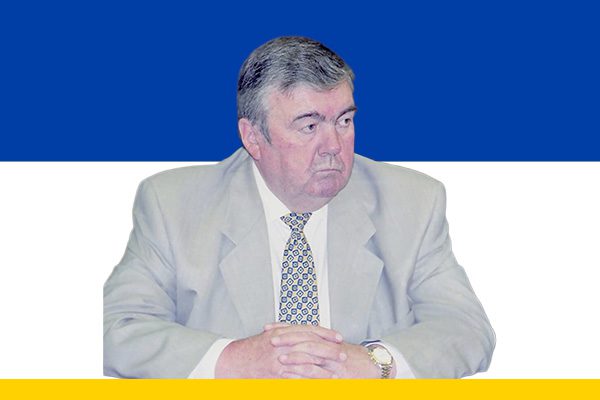
Early Life and Education
Mircea Snegur was born on January 17, 1940, in the village of Trifănești, which was then part of Romania and later became part of the Moldavian Soviet Socialist Republic. He grew up in a rural environment where agriculture played an important role in daily life. From a young age, he showed a strong interest in learning and public service.
Snegur pursued higher education in agriculture and graduated from the Agricultural Institute of Chișinău. His education prepared him for a career in agricultural management and government administration. Through hard work and dedication, he gained valuable experience that later helped him in politics.
Political Career
Mircea Snegur began his political career during the Soviet era. He worked in various administrative positions and gradually earned recognition for his leadership abilities. His commitment to public service and effective management allowed him to rise through the ranks of the government.
In the late 1980s, significant political changes occurred throughout the Soviet Union. Snegur supported reforms that promoted greater autonomy and national identity for Moldova. As public demand for independence increased, he emerged as a leading political figure.
In 1990, the Moldovan parliament elected him as President of the Moldavian Soviet Socialist Republic. He worked actively to strengthen Moldova’s self-governance and prepare the nation for a new political future.
Leadership During Independence
One of Mircea Snegur’s greatest achievements came in 1991 when Moldova declared independence from the Soviet Union. As President, he led the country through this historic transition. He encouraged democratic reforms, supported national sovereignty, and represented Moldova on the international stage.
Snegur worked to gain international recognition for Moldova and establish diplomatic relations with other countries. His efforts helped Moldova become a respected member of the global community. During this period, he focused on building state institutions and promoting political stability.
However, his presidency also faced challenges. Economic difficulties, political disagreements, and the conflict in the Transnistria region tested the young nation. Despite these obstacles, Snegur continued to advocate for peace and national unity.
Achievements and Contributions
Throughout his presidency, Mircea Snegur contributed significantly to Moldova’s development. He supported the creation of democratic institutions and encouraged citizens to participate in public life. His administration promoted national identity and strengthened Moldova’s independence.
Snegur also worked to modernize government structures and improve international cooperation. His leadership helped shape the country’s early policies and establish a framework for future governments.
Many historians recognize him as a key architect of modern Moldova because he guided the nation during a critical period of transformation.
Legacy
Mircea Snegur remains an important figure in Moldovan history. His leadership during the country’s transition to independence left a lasting impact on the nation. Future generations continue to study his role in shaping Moldova’s political identity and sovereignty.
Although historians debate some aspects of his presidency, most agree that his contributions proved essential to Moldova’s emergence as an independent state. His dedication to public service and national development earned him a respected place in the country’s history.
Conclusion
Mircea Snegur played a defining role in the creation and development of independent Moldova. Through strong leadership, commitment to democracy, and dedication to national sovereignty, he helped guide the country through a historic transformation. His legacy continues to influence Moldova’s political landscape and serves as an important chapter in the nation’s story.