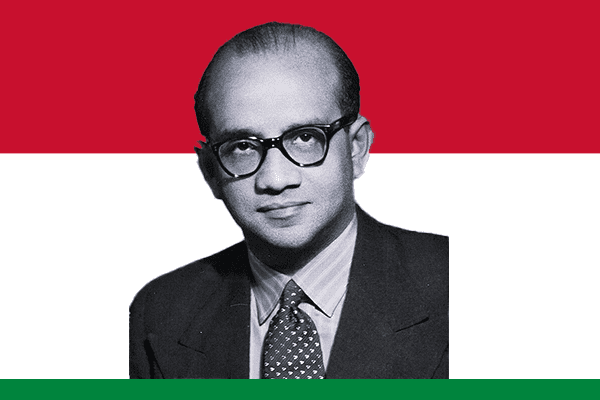
President Mohamed Amin
President Mohamed Amin stands as an important political figure known for his leadership, dedication, and service to his nation. Throughout his career, he has shown a strong commitment to public welfare, national progress, and political stability. His rise to the presidency reflects years of hard work, determination, and involvement in public affairs. As a leader, Mohamed Amin has focused on strengthening institutions, improving the economy, and promoting unity among citizens.
Mohamed Amin built his political career through steady participation in national governance and public service. From the beginning, he showed a deep interest in the challenges facing his country. He worked closely with communities, listened to public concerns, and developed a reputation as a practical and disciplined leader. His ability to understand the needs of ordinary citizens helped him gain trust and respect across different sections of society.
When Mohamed Amin assumed the presidency, he entered office during a period that demanded strong leadership and clear direction. He immediately focused on restoring confidence in government and encouraging cooperation among political groups. His administration introduced policies designed to improve governance, expand economic opportunities, and strengthen national security. By taking an active role in decision-making, he aimed to guide the country toward greater stability and development.
One of President Mohamed Amin’s main priorities has been national unity. He understands that lasting progress depends on cooperation between different communities, political parties, and social groups. For this reason, he has encouraged dialogue and emphasized the importance of working together for the common good. His speeches often highlight patriotism, responsibility, and the need for collective effort in building a stronger nation.
Economic development also plays a central role in Mohamed Amin’s leadership. He has supported measures that encourage investment, create jobs, and improve infrastructure. Roads, schools, hospitals, and public services often receive attention under leaders like him because these areas directly affect the daily lives of citizens. By focusing on practical improvements, he has sought to raise living standards and create a more secure future for the next generation.
In addition to domestic priorities, President Mohamed Amin has likely recognized the importance of international relations. Modern leaders must build strong ties with neighboring countries and global partners. Through diplomacy, cooperation, and participation in regional affairs, he has worked to enhance his country’s position on the international stage. Good foreign relations can help attract investment, strengthen security, and open new opportunities for trade and development.
Mohamed Amin’s leadership style reflects discipline, resilience, and a clear sense of responsibility. Like many national leaders, he has faced challenges such as political pressure, economic difficulties, and public expectations. However, his continued service demonstrates his willingness to confront problems directly and search for workable solutions. This approach has helped him maintain his image as a committed and determined head of state.
President Mohamed Amin’s legacy depends on the long-term impact of his decisions and reforms. Leaders earn recognition not only for holding office but also for the changes they bring to their country. His efforts in governance, national unity, and development have shaped public perceptions of his presidency. Supporters often view him as a leader who values order, progress, and service to the nation.