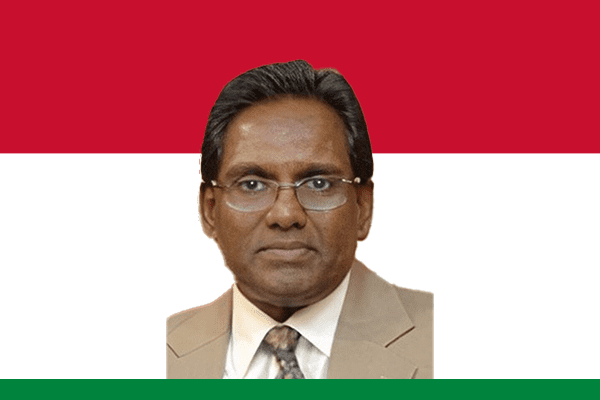
Early Life and Education
Mohamed Waheed Hassan was born on January 3, 1953, in Malé, the capital of the Maldives. He pursued education with dedication from an early age and later continued his studies abroad. He studied at several international institutions and built a strong academic background. Waheed earned a degree in political science and international relations and later obtained a doctorate in education. His academic journey prepared him for leadership roles in both government and international organizations.
During the early stage of his career, he worked with global institutions that focused on development and education. He served with organizations such as the United Nations and other international agencies. Through this work, he gained valuable experience in governance, policy planning, and international diplomacy. These experiences shaped his vision for improving education and governance in the Maldives.
Political Career
Mohamed Waheed Hassan entered Maldivian politics during a time when the country began moving toward democratic reforms. In 2008, the Maldives held its first democratic multi-party presidential election. In that election, Mohamed Nasheed became president, and Waheed joined him as vice president. Their partnership represented a new political era for the country.
As vice president, Waheed focused on education reform, economic development, and strengthening democratic institutions. He participated in government initiatives that aimed to modernize the Maldives and improve public services. His role in government increased his national recognition and positioned him as a significant political figure.
Presidency (2012–2013)
In February 2012, President Mohamed Nasheed resigned following political protests and unrest. After the resignation, Mohamed Waheed Hassan assumed the presidency according to the Maldivian constitution. He became the third president of the Maldives under the country’s democratic constitution.
Waheed immediately faced political controversy. Supporters of Nasheed argued that the resignation occurred under pressure and described the transition as a coup. Waheed rejected those claims and insisted that the constitutional process had been followed. His administration focused on maintaining political stability and preparing the country for future democratic elections.
During his presidency, Waheed worked to strengthen diplomatic relations with regional and international partners. He also attempted to restore political dialogue among rival parties. Although political divisions remained strong, his government aimed to keep the country functioning during a difficult period.
Later Career and Legacy
After completing his presidential term in 2013, Mohamed Waheed Hassan continued to remain active in international affairs and policy discussions. He participated in conferences and forums related to governance, democracy, and development. His academic and diplomatic background allowed him to contribute to discussions about education reform and international cooperation.
Waheed’s legacy remains closely connected with the political transition of 2012 in the Maldives. Some observers view his presidency as a constitutional continuation of leadership, while others see it as part of a political crisis. Regardless of differing opinions, his leadership played a role in maintaining government operations during a turbulent moment in the country’s history.
Today, Mohamed Waheed Hassan is remembered as an educated leader who brought international experience to Maldivian politics. His career combined academic achievement, diplomatic service, and national leadership, making him a notable figure in the political development of the Maldives.