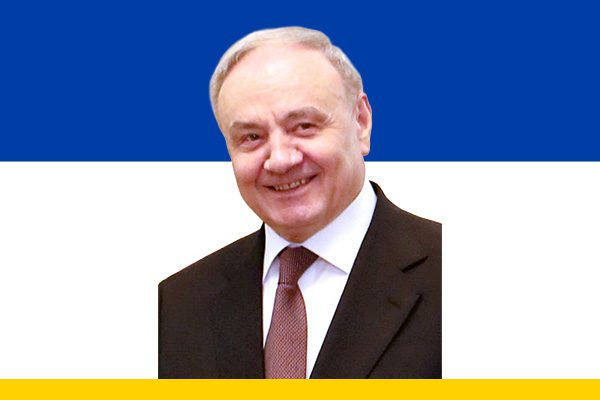
Mr. Nicolae Timofti
In Office: 23 March 2012 – 23 December 2016
Political Party: Independent
Home State: Ciutulești
Lifespan: born 1948
Country: Moldova
Image credits available here.
Early Life and Education
Nicolae Timofti was born on December 22, 1948, in the village of Ciutulești, which was then part of the Soviet Union and is now located in Moldova. He grew up in a family that valued education and hard work. During his youth, he developed a strong interest in law and public service.
Timofti pursued higher education at the Faculty of Law of Moldova State University. He studied legal principles, government systems, and judicial procedures. His education provided the foundation for a successful career in the legal profession.
Career in the Judiciary
After completing his studies, Timofti began working in Moldova’s judicial system. He served in several legal positions and gained extensive experience in handling court cases. His dedication and professional conduct helped him advance through the ranks of the judiciary.
Over the years, he became one of the most respected judges in the country. He worked to uphold legal standards and promote fairness in court proceedings. His colleagues recognized his integrity and commitment to justice.
Timofti later served as Chairman of the Superior Council of Magistracy, an institution responsible for overseeing the judiciary. In this role, he supported reforms that improved judicial independence and strengthened public confidence in the legal system.
Presidency of Moldova
In March 2012, the Parliament of Moldova elected Nicolae Timofti as President after a long political deadlock. His election helped end a period of uncertainty and allowed the government to move forward with important national issues.
As president, Timofti focused on strengthening democratic institutions and supporting European integration. He encouraged cooperation among political groups and promoted stability within the country. He also represented Moldova in international meetings and worked to improve diplomatic relations with other nations.
During his presidency, Moldova signed important agreements with the European Union. Timofti strongly supported these partnerships because he believed they would create opportunities for economic growth and modernization.
Leadership Style and Achievements
Timofti approached leadership with caution and professionalism. He relied on his legal background when addressing political issues and often emphasized the importance of constitutional principles.
One of his major achievements involved promoting judicial reforms and encouraging transparent governance. He supported efforts to reduce corruption and improve public institutions. Although political challenges continued during his presidency, he consistently advocated democratic values and legal accountability.
His calm and balanced approach helped him gain respect from many citizens and international observers. He preferred dialogue and cooperation over confrontation, which contributed to political stability during difficult periods.
Legacy
Nicolae Timofti completed his presidential term in 2016 and left office with a reputation as a dedicated public servant. His contributions to Moldova’s judiciary and political system remain significant. Through his work as a judge and president, he strengthened democratic institutions and encouraged respect for the rule of law.
Today, many people remember Timofti as a leader who combined legal expertise with a commitment to public service. His career demonstrates the important role that integrity, professionalism, and dedication can play in shaping a nation’s future.
Conclusion
Nicolae Timofti’s journey from a young law student to the President of Moldova reflects a lifetime of service to his country. His efforts in the judiciary and his leadership as president helped Moldova navigate important political and legal developments. His legacy continues to influence Moldova’s democratic and judicial institutions.