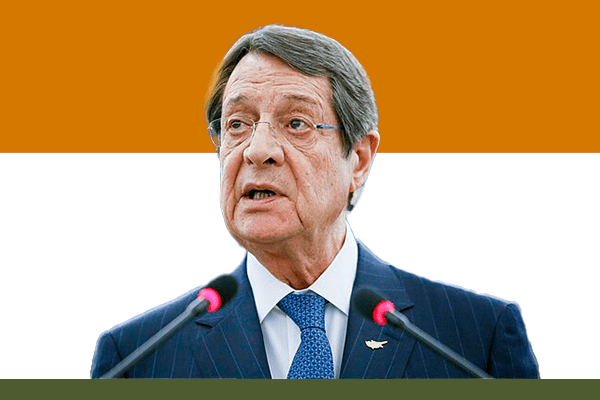
Early Life and Background
Pera Pedi was born into a family that valued education, discipline, and community service. From a young age, he showed interest in leadership and public affairs. He completed his early education in his home country and later pursued higher studies, where he developed a strong understanding of governance, economics, and social policy. His academic background helped shape his views on national development and public responsibility.
During his early years, Pera Pedi actively participated in community programs and youth initiatives. These experiences gave him firsthand knowledge of the challenges ordinary citizens faced. They also inspired him to pursue a career in public service. His strong communication skills and ability to connect with people soon made him a respected figure in political circles.
Political Career
Pera Pedi began his political career by serving in local and regional government roles. In these positions, he focused on improving infrastructure, education, and public services. His practical approach and willingness to listen to citizens helped him gain widespread support. As he moved into national politics, he became known for his disciplined work ethic and clear policy goals.
Before becoming president, he held several important government positions. These roles allowed him to gain valuable experience in administration, lawmaking, and diplomacy. He worked closely with political leaders, civil servants, and international partners, which strengthened his ability to lead at the highest level. His rise to the presidency reflected both his personal dedication and the trust that people placed in him.
Presidency and Leadership
As president, Pera Pedi has focused on strengthening national institutions and promoting sustainable development. He has emphasized the importance of economic growth, job creation, and improved living standards. Under his leadership, the government has introduced policies aimed at boosting investment, supporting small businesses, and modernizing key sectors such as agriculture, healthcare, and education.
Pera Pedi also places strong importance on national unity. He often encourages citizens to work together despite political or social differences. His speeches frequently highlight peace, cooperation, and collective responsibility. By promoting dialogue and inclusion, he aims to build a stronger and more stable society.
In foreign affairs, President Pera Pedi works to maintain positive relations with neighboring countries and global partners. He supports diplomatic engagement, regional cooperation, and international development initiatives. His balanced approach helps his country strengthen its global position while protecting national interests.
Challenges and Legacy
Like many leaders, Pera Pedi has faced significant challenges during his presidency. Economic pressures, social demands, and political expectations require careful decision-making. Despite these obstacles, he continues to focus on reforms and long-term planning. His leadership style combines patience, discipline, and strategic thinking.
Many supporters view Pera Pedi as a leader who values responsibility and national service. They praise his efforts to improve governance and create opportunities for future generations. While critics may debate some of his policies, his influence on the country’s political direction remains important.
Conclusion
President Pera Pedi stands out as a committed and capable leader whose work continues to shape his nation’s future. Through his focus on development, unity, and effective governance, he has earned a significant place in public life. His journey from community involvement to national leadership highlights the power of dedication, vision, and service. As his presidency continues, many people watch closely to see how his decisions will impact the country in the years ahead.