Park Geun-hye
In Office: 25 February 2013 – 10 March 2017
Political Party: Liberty Korea
Home State: Daegu
Lifespan: born 1952
Country: South Korea
Image credits available here.
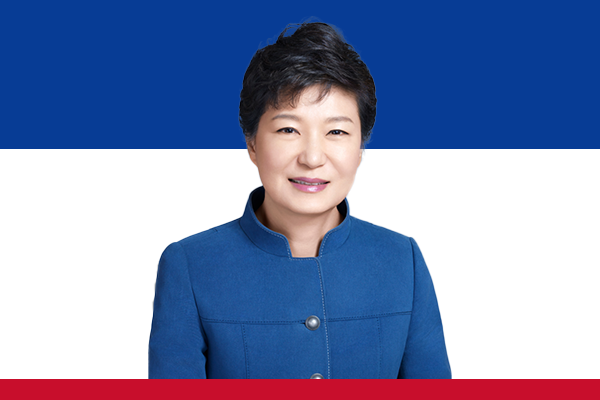
Early Life and Background
Park Geun-hye entered the world on February 2, 1952, in Daegu, South Korea. She grew up in a politically influential family because her father, Park Chung-hee, served as South Korea’s president for 18 years. She experienced national prominence at a young age, and events around her shaped her worldview early. When she turned 22, she lost her mother to an assassination, and five years later, her father met the same fate. These tragedies pushed her into public duties as she stepped in to perform informal first-lady roles.
Park pursued higher education at Sogang University, where she studied electrical engineering. She then expanded her exposure abroad by studying briefly in France. Her early years created a foundation that later shaped her political ambitions.
Entry into Politics
Park Geun-hye officially entered politics in the late 1990s. She joined the conservative political camp and won a seat in the National Assembly in 1998. She built her reputation as a hardworking and disciplined lawmaker, and many South Koreans viewed her as a symbol of stability during difficult times. She strengthened her political standing by leading the party through internal crises. The public began calling her the “Queen of Elections” because she consistently delivered electoral victories for her party.
Her leadership style emphasized order, tradition, and economic growth. She gained a loyal base by promoting conservative values and presenting herself as a determined and resilient figure.
Rise to the Presidency
Park Geun-hye ran for president in 2012, and she campaigned on promises to strengthen national security, expand welfare programs, and promote sustainable economic growth. She won the election and made history by becoming South Korea’s first female president.
After assuming office in 2013, she pledged to build a “creative economy.” She aimed to encourage innovation, support small and medium-sized businesses, and reduce the country’s heavy dependence on traditional industries. She also emphasized trust-building in governance and pushed for reforms that would improve transparency.
Major Policies and Achievements
During her presidency, Park made economic modernization a priority. She launched initiatives to boost technology-driven industries and strengthen Korea’s global competitiveness. She promoted welfare programs that supported the elderly, expanded childcare subsidies, and addressed unemployment by encouraging entrepreneurship.
Park also focused on national security. She adopted a firm stance against North Korea after Pyongyang continued missile tests and provocations. She strengthened defense systems and worked closely with international allies to maintain stability. Her administration actively sought global engagement by signing trade agreements and participating in international economic forums.
On the diplomatic front, she balanced relations with major powers such as the United States and China. She pursued cooperation on economic development, cultural exchange, and regional security.
Challenges, Controversies, and Impeachment
Park’s presidency began facing challenges in its later years. Critics questioned her management style and communication approach. Tensions increased when allegations of corruption and influence-peddling involving her close confidante emerged in 2016. The South Korean public organized large-scale protests demanding accountability.
The National Assembly voted to impeach her, and the Constitutional Court upheld the decision in 2017. Park became the first South Korean president removed from office through impeachment. She later faced legal trials and received prison sentences on corruption charges. Over time, debates about her legacy intensified. Supporters argued that political forces unfairly targeted her, while opponents emphasized the importance of democratic accountability.
Legacy
Park Geun-hye’s political journey remains one of the most dramatic in South Korean history. She broke barriers as the nation’s first female president, pursued economic innovation, and strengthened security policies. At the same time, her impeachment reshaped Korean politics by reinforcing the power of civic movements and legal institutions. Her story continues to influence national debates on leadership, corruption, governance, and democracy.