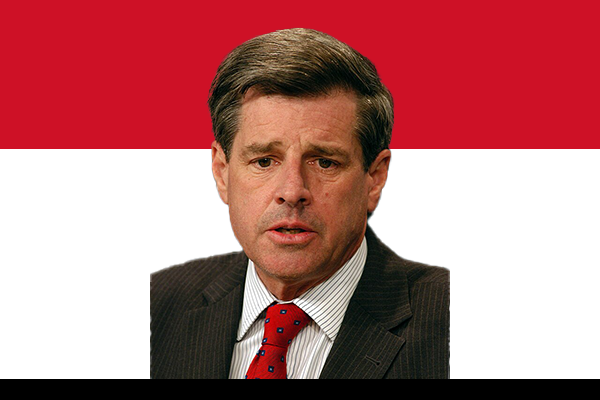
Early Life and Professional Background
Paul L. Bremer III was born in 1941 in Hartford, Connecticut. He pursued higher education at Yale University, where he developed a strong interest in international affairs, and later continued his studies at Harvard University. Bremer joined the U.S. Foreign Service early in his career and served in several diplomatic posts, gaining experience in global security, counterterrorism, and diplomacy. His background positioned him as a trusted figure in U.S. foreign policy circles long before his assignment to Iraq.
Appointment as Head of the Coalition Provisional Authority
In May 2003, the U.S. government appointed Paul Bremer as the Administrator of the Coalition Provisional Authority in Iraq. This role placed him in charge of governing the country after the fall of Saddam Hussein. Bremer assumed sweeping executive, legislative, and judicial powers, making decisions that directly affected Iraq’s political institutions, economy, and security forces. His authority effectively made him the most powerful civilian leader in Iraq at the time.
Key Policies and Major Decisions
One of Bremer’s most significant actions was the dissolution of the Iraqi military and security services. He believed that dismantling institutions linked to the former regime would help prevent a return to authoritarian rule. Bremer also implemented a policy known as de-Baathification, which removed members of Saddam Hussein’s Baath Party from government positions. These decisions aimed to rebuild Iraq on new democratic foundations, but they also generated intense debate and criticism.
Bremer oversaw efforts to restructure Iraq’s economy by encouraging free-market reforms, privatization, and foreign investment. He also worked on drafting transitional administrative laws that laid the groundwork for a future Iraqi constitution. Under his leadership, the CPA sought to transfer authority to an interim Iraqi government, marking an important step toward sovereignty.
Controversies and Criticism
Despite his intentions, Bremer’s tenure remains controversial. Critics argue that dissolving the Iraqi army left hundreds of thousands of armed men unemployed, contributing to instability and insurgency. Others believe that de-Baathification removed too many experienced administrators, weakening the state’s ability to function effectively. Supporters, however, contend that Bremer acted under extreme pressure and made decisions based on the information and objectives available at the time.
End of Tenure and Lasting Impact
Paul Bremer’s role in Iraq ended in June 2004, when sovereignty formally transferred to an interim Iraqi government. His departure marked the end of direct U.S. civilian rule and the beginning of a new phase in Iraq’s political development. Bremer later reflected on his experience through public speeches and writings, offering insights into the challenges of nation-building and post-conflict governance.
Conclusion
President-like in authority if not in title, Paul Bremer played a defining role in shaping post-2003 Iraq. His leadership decisions continue to influence discussions on foreign intervention, state reconstruction, and democratic transitions. Whether viewed as necessary reforms or costly missteps, Bremer’s legacy remains a central chapter in the history of modern Iraq and U.S. foreign policy.