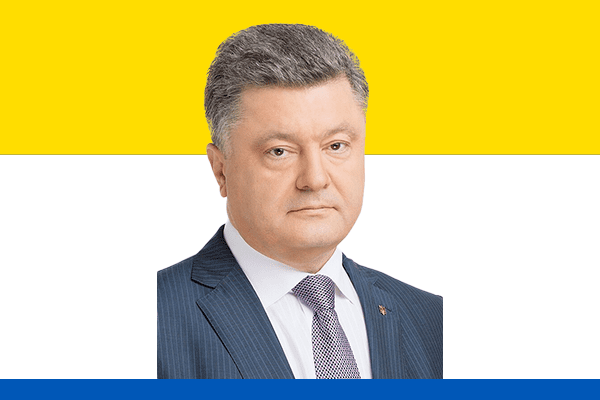
Early Life and Education
Petro Oleksiyovych Poroshenko was born on September 26, 1965, in Bolhrad, in the Odesa region of Ukraine, which was then part of the Soviet Union. He grew up in a family involved in engineering and industry. Poroshenko studied international economics at Kyiv State University, where he developed a strong understanding of trade, finance, and economic policy. His academic background later helped him succeed in both business and government. During his youth, he showed ambition and leadership qualities that shaped his future career.
Business Career
Before entering the highest levels of politics, Poroshenko built a successful business empire. He became widely known as the “Chocolate King” because he owned the Roshen confectionery company, one of the largest candy manufacturers in Eastern Europe. His business success made him one of the wealthiest individuals in Ukraine. In addition to confectionery, he invested in shipbuilding, media, and manufacturing. His experience in business gave him practical knowledge of economics and management, which later influenced his political decisions and reform efforts.
Political Career
Poroshenko entered politics in the late 1990s and quickly became an influential figure. He served in the Ukrainian parliament and held several important government positions, including Secretary of the National Security and Defense Council, Minister of Foreign Affairs, and Minister of Trade and Economic Development. Throughout his career, he supported democratic reforms and closer integration with Europe. He also backed major pro-democracy movements in Ukraine, including the Orange Revolution and later the Euromaidan protests. These movements shaped Ukraine’s modern democratic identity and strengthened Poroshenko’s reputation as a pro-Western leader.
Presidency of Ukraine
In 2014, following the political turmoil that removed President Viktor Yanukovych, Poroshenko won the presidential election and became the President of Ukraine. He took office at a time when Russia had annexed Crimea and conflict had erupted in eastern Ukraine. As president, he focused on defending Ukraine’s independence and rebuilding the military. He launched reforms in the armed forces, strengthened international alliances, and pushed for sanctions against Russia.
Poroshenko also prioritized closer relations with the European Union and NATO. Under his leadership, Ukraine signed and implemented the Association Agreement with the European Union, which brought the country closer to European political and economic structures. He also supported anti-corruption reforms, decentralization, and banking sector changes. Although critics argued that reforms moved slowly, his government still made important progress in state-building and international diplomacy.
Legacy and Influence
Petro Poroshenko remains a significant figure in Ukrainian politics. Supporters praise him for preserving Ukraine’s independence during wartime and moving the country firmly toward Europe. Critics, however, point to corruption concerns and unmet reform expectations. Even after leaving office in 2019, he remained active in politics as an opposition leader and continued to influence national debates. His presidency is widely remembered as a period of resistance, reform, and national resilience.
Conclusion
President Petro Poroshenko played a major role in shaping modern Ukraine during a time of crisis. His leadership during war, his commitment to European integration, and his efforts to strengthen the Ukrainian state made him one of the most important political figures in contemporary Ukrainian history.