Mr. Petru Lucinschi
In Office: 15 January 1997 – 7 April 2001
Political Party: Democratic Agrarian Party
Home State: Trifănești
Lifespan: born 1940
Country: Moldova
Image credits available here.
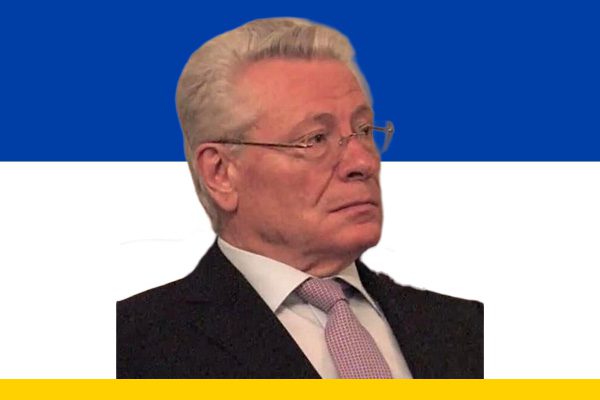
Early Life and Education
Petru Lucinschi was born on January 27, 1940, in Rădulenii Vechi, a village located in what is now Moldova. He grew up during a period of major political and social changes in Eastern Europe. From an early age, he showed an interest in education and public affairs.
Lucinschi pursued higher education at the State University of Chisinau and later continued his studies at the Higher Party School in Moscow. His academic background provided him with the knowledge and skills that supported his future political career. Throughout his studies, he developed leadership qualities and gained experience in administration and governance.
Political Career in the Soviet Era
Before Moldova gained independence, Lucinschi built a successful career within the Soviet political system. He held several important positions in the Communist Party and gradually rose through the ranks. His leadership abilities earned him recognition among political officials.
During the 1980s, he worked in various administrative and party roles. He also served in Moscow and gained valuable experience in national-level governance. These responsibilities helped him understand complex political issues and prepared him for future leadership roles in an independent Moldova.
Role in Independent Moldova
After Moldova declared independence in 1991, Lucinschi became actively involved in the country’s political transformation. He supported efforts to strengthen democratic institutions and establish a stable government. His experience proved valuable during the challenging years that followed independence.
In 1993, he became the Chairman of the Parliament of Moldova. In this position, he worked with lawmakers to address economic difficulties and political challenges facing the young nation. His leadership style emphasized dialogue and cooperation among different political groups.
Presidency of Moldova
In 1996, Lucinschi won the presidential election, and he officially assumed office in 1997. As President, he focused on political stability, economic reform, and international cooperation. He sought to modernize state institutions and improve Moldova’s relationships with neighboring countries and international organizations.
During his presidency, Moldova faced significant economic challenges. Lucinschi encouraged reforms designed to support economic growth and attract investment. He also promoted democratic values and worked to strengthen the country’s constitutional framework.
Although political disagreements sometimes limited the success of his initiatives, he remained committed to advancing Moldova’s development. His administration emphasized national unity and constructive political dialogue.
Later Years and Legacy
After completing his presidential term in 2001, Lucinschi continued to participate in public life. He remained an influential voice in discussions about Moldova’s political future and democratic development.
Many historians and political analysts view him as a leader who helped guide Moldova through a crucial period in its history. His efforts to strengthen democratic institutions and encourage political cooperation left a lasting impact on the country.
Conclusion
Petru Lucinschi occupies an important place in Moldovan history. Through decades of public service, he contributed to the development of government institutions and democratic processes in Moldova. His presidency marked a significant chapter in the nation’s journey as an independent state. Today, he remains recognized as one of Moldova’s most notable political leaders, whose experience and leadership helped shape the country’s modern political landscape.