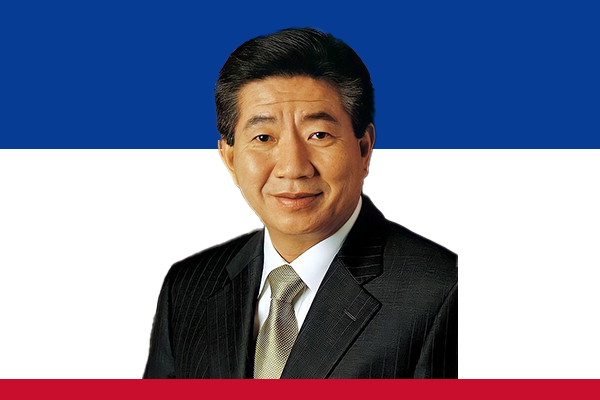
Mr. Roh Moo-hyun
In Office: 25 February 2003 – 25 February 2008
Political Party: Independent
Home State: Bongha Maeul
Lifespan: 1946–2009
Country: South Korea
Image credits available here.
Early Life and Rise in Public Service
Roh Moo-hyun began his life in 1946 in a poor rural family in Gimhae, South Korea. He pursued education with determination despite financial struggles. He entered public service after he passed the judicial examination in 1975 and worked as a human rights lawyer. He defended activists who fought against authoritarian rule, and he gained respect as a strong voice for democracy.
His legal career shaped his political character. He joined the National Assembly in 1988, where he openly challenged corruption and favoritism. He built a reputation as a politician who valued transparency over political convenience. Many citizens appreciated his honest communication style, and they gradually viewed him as a refreshing alternative to traditional elite leadership.
Road to the Presidency
Roh Moo-hyun strengthened the democratic reform movement by joining the Millennium Democratic Party. He ran for the presidency in 2002 and energized young voters with promises of political reform. He embraced digital campaigning, engaged with citizens directly, and inspired a new generation of supporters. Despite strong opposition, he won the election and brought hope for a more open and citizen-centered government.
Presidency and Key Reforms
Roh Moo-hyun entered office in 2003 with a vision to transform South Korea’s political culture. He pushed for decentralization, encouraged civic participation, and promoted greater governmental transparency. He expanded Korea’s social welfare programs and invested in education to create equal opportunities for future generations.
He strengthened Korea’s democratic institutions by challenging the influence of political elites. He embraced fairer recruitment systems and encouraged public debate on national policies. Although he faced political resistance, he remained committed to reform.
Roh also engaged actively in foreign policy. He supported stronger ties with the United States but emphasized a more balanced diplomatic approach. He pursued the “Sunshine Policy,” which encouraged peaceful cooperation with North Korea. He sent South Korean troops to Iraq in support of global stability while simultaneously working to expand Korea’s international presence.
Challenges and Impeachment Attempt
Political tensions increased during his presidency. In 2004, opposition lawmakers attempted to impeach him on accusations of election law violations. Citizens responded with massive protests, defending his leadership and demanding fairness. The Constitutional Court reviewed the case and restored him to power. The incident strengthened his democratic credibility and highlighted the public’s trust in him.
Despite the political turmoil, he continued to prioritize reform. He focused on reducing economic inequality, promoting innovation, and encouraging regional development. He advocated constitutional reforms that aimed to stabilize the political system, though these proposals did not gain broad support.
Life After the Presidency
Roh Moo-hyun peacefully returned to civilian life in 2008. He settled in his hometown of Bongha Village and engaged in farming and community activities. He maintained strong moral integrity and continued to influence public discourse through speeches and writings.
In 2009, he faced an investigation over corruption allegations involving his family. He denied wrongdoing but suffered immense emotional pressure. He tragically ended his life on May 23, 2009, leaving the nation in shock and grief.
Legacy
South Korea remembers Roh Moo-hyun as a leader who valued honesty, equality, and citizen participation. His presidency encouraged democratic openness and broadened political engagement among young people. Many residents view him as a symbol of integrity and reform, and they continue to honor his contributions to building a more transparent and just nation.