Early Life and Education
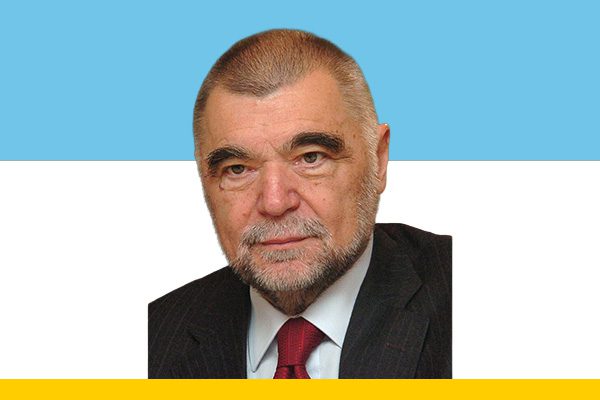
Stjepan Mesić was born on December 24, 1934, in Orahovica, Croatia, which was then part of the Kingdom of Yugoslavia. He grew up in a politically active environment that influenced his interest in public affairs. After completing his early education, he studied law at the University of Zagreb. His legal education helped him develop strong communication and leadership skills that later supported his political career.
During his youth, Mesić became involved in political activities and public service. He quickly gained recognition for his confidence, organizational ability, and commitment to Croatian political issues.
Early Political Career
Mesić began his political career during the communist era in Yugoslavia. He joined the Croatian political system and served in several local and national roles. However, his criticism of certain government policies sometimes created challenges for him.
In the late 1980s and early 1990s, Yugoslavia faced political instability and rising nationalist movements. During this period, Mesić became one of the leading Croatian political figures who supported Croatia’s independence. He joined the Croatian Democratic Union (HDZ) under the leadership of Franjo Tuđman.
Role in Yugoslavia’s Dissolution
One of the most important moments in Mesić’s career came in 1991 when he became the last President of the Presidency of Yugoslavia. At that time, Yugoslavia was rapidly collapsing due to ethnic tensions and political conflicts among its republics.
Mesić openly supported Croatia’s independence and opposed military actions against Croatia and Slovenia. He strongly criticized the Yugoslav People’s Army for its involvement in the conflict. His leadership during this difficult period made him an important figure in Croatia’s struggle for sovereignty.
As Yugoslavia disintegrated, Mesić focused on defending Croatia’s democratic rights and international recognition. His speeches and diplomatic efforts gained attention across Europe.
Presidency of Croatia
In 2000, Croatian citizens elected Stjepan Mesić as President of Croatia. During his presidency, he worked actively to strengthen democracy, improve international relations, and reduce political corruption. He encouraged transparency in government and promoted freedom of speech.
Mesić supported Croatia’s efforts to join the European Union and NATO. He believed that international cooperation would help Croatia achieve political stability and economic growth.
Unlike some earlier leaders, Mesić promoted reconciliation among different ethnic groups in the Balkans. He also improved Croatia’s relationships with neighboring countries by encouraging dialogue and peaceful cooperation.
Leadership Style and Achievements
Mesić became known for his direct communication style and strong opinions. He often spoke openly about political issues and defended democratic values. His presidency strengthened Croatia’s image as a modern European democracy.
During his leadership, Croatia improved its international reputation and expanded diplomatic relations. He also supported human rights, media freedom, and judicial reforms.
Although critics sometimes challenged his statements and political decisions, many citizens respected his honesty and dedication to public service.
Legacy and Influence
Stjepan Mesić remains an influential figure in Croatian political history. His contributions during Croatia’s independence movement and democratic transition left a lasting impact on the nation.
He helped Croatia move toward European integration and encouraged political modernization. His efforts to promote democracy, peace, and international cooperation continue to shape Croatia’s political identity.
Conclusion
Stjepan Mesić played a major role in the development of modern Croatia. Through active leadership, diplomatic efforts, and democratic reforms, he guided the country during important historical changes. His long political career reflects dedication, resilience, and commitment to Croatia’s future.