Mr. Tomislav Nikolic
In Office: 31 May 2012 – 31 May 2017
Political Party: Socialist Party of Serbia
Home State: Kragujevac
Lifespan: born 1952
Country: Serbia
Image credits available here.
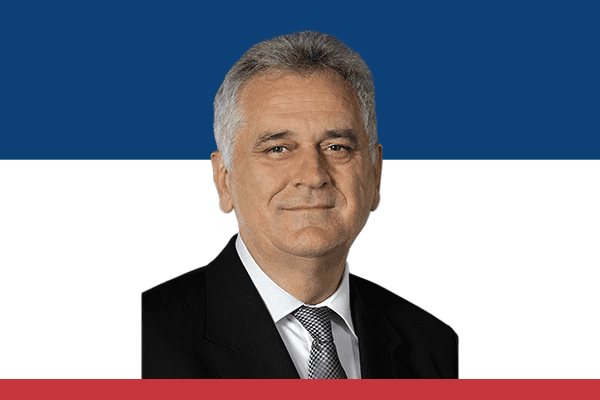
Early Life and Education
Tomislav Nikolić was born on February 15, 1952, in Kragujevac, Serbia, which was then part of Yugoslavia. He grew up in a working-class family and completed his education in his hometown. After finishing school, he studied at a technical college and developed an interest in administration and public service.
Before entering politics, Nikolić worked in the construction industry and later held management positions in public enterprises. His early professional experiences helped him understand economic and social issues affecting ordinary citizens.
Entry into Politics
Nikolić began his political career during the late years of Yugoslavia. In the 1990s, he joined the Serbian Radical Party, led by Vojislav Šešelj. The party promoted strong nationalist policies and gained significant support during a period of political instability in the Balkans.
As an active member of the party, Nikolić quickly rose through the ranks. He served in the Serbian Parliament and became one of the most recognizable political figures in Serbia. His speeches and public appearances attracted national attention and strengthened his political influence.
Leadership and Political Growth
During the late 1990s and early 2000s, Nikolić held several important political positions. He briefly served as Acting President of Serbia in 2003 after constitutional changes created a temporary leadership arrangement. He also became deputy prime minister in the Serbian government.
Nikolić contested several presidential elections before achieving success. Although he lost earlier campaigns, he continued building political support across the country. His persistence and ability to connect with voters increased his popularity.
In 2008, Nikolić left the Serbian Radical Party and founded the Serbian Progressive Party. The new party adopted a more moderate political approach and focused on economic reform, European integration, and international cooperation. This move transformed Serbia’s political landscape and attracted a wider group of supporters.
Presidency of Serbia
In 2012, Tomislav Nikolić won the Serbian presidential election and became President of Serbia. During his presidency, he worked to improve Serbia’s relationships with both European countries and traditional allies such as Russia and China.
Nikolić supported Serbia’s efforts to join the European Union while also protecting national interests. He promoted economic development, foreign investment, and diplomatic cooperation. His administration encouraged infrastructure projects and stronger international partnerships.
As president, he represented Serbia at global meetings and state events. He also emphasized national unity and cultural identity. Through public speeches and diplomatic visits, he aimed to strengthen Serbia’s image on the international stage.
Personal Life and Public Image
Tomislav Nikolić is married to Dragica Nikolić, and the couple has children. He often presented himself as a leader connected to ordinary citizens and traditional Serbian values. Supporters appreciated his direct communication style and political determination.
Critics sometimes challenged his nationalist past and political decisions, but Nikolić remained an influential figure in Serbian politics. His transition from hardline nationalism to a more moderate political position demonstrated his ability to adapt to changing political conditions.
Legacy and Influence
Tomislav Nikolić left a lasting impact on Serbia’s political development. He helped reshape the country’s party system and guided Serbia during an important period of international cooperation and economic transition.
His leadership contributed to strengthening Serbia’s diplomatic relationships and modern political structure. Even after leaving office in 2017, he continued participating in public and political discussions.
Conclusion
Tomislav Nikolić played a major role in modern Serbian politics through decades of active leadership and public service. From his early political career to his presidency, he influenced Serbia’s national policies and international relations. His legacy reflects political transformation, persistence, and commitment to national development.