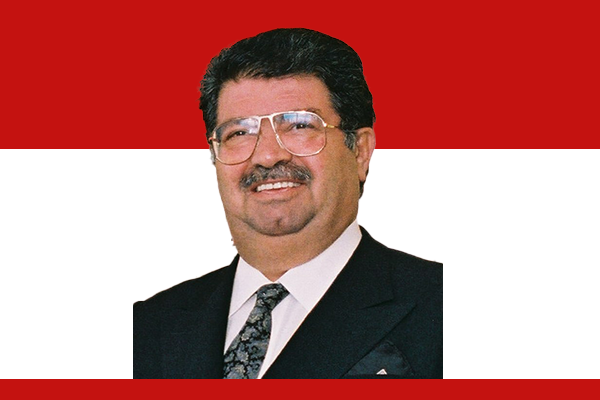
Turgut Özal played a pivotal role in transforming Turkey into a modern economic power. Born on October 13, 1927, in Malatya, Özal demonstrated exceptional academic talent early in life. He earned a degree in electrical engineering from Istanbul Technical University and later pursued graduate studies in the United States. His exposure to Western economic principles inspired his vision for Turkey’s development.
Özal began his career in government by joining the State Planning Organization in 1957. There, he actively participated in designing economic policies aimed at industrial growth and foreign investment. His expertise and innovative ideas quickly earned him recognition among Turkey’s political and economic elite.
In the 1970s, Turgut Özal served as the Undersecretary of the Prime Ministry and later as a minister in various economic positions. He consistently advocated for liberal economic reforms, encouraging private enterprise and foreign trade. His policies emphasized modernization and integration with global markets, which contrasted sharply with the more protectionist approaches of his predecessors.
In 1983, Özal co-founded the Motherland Party (Anavatan Partisi) and led it to a decisive victory in the general elections. As Prime Minister, he initiated sweeping economic reforms that liberalized Turkey’s markets. He reduced state control over industry, encouraged foreign investment, and implemented policies that stabilized inflation. Citizens experienced increased access to consumer goods, and the Turkish economy grew at unprecedented rates.
Turgut Özal also recognized the importance of infrastructure in Turkey’s modernization. He championed projects that improved transportation, energy production, and communications. By investing in these areas, he created the foundation for long-term economic growth. His efforts brought Turkey closer to developed nations, both economically and socially.
In foreign affairs, Turgut Özal actively pursued closer relations with Europe and the United States. He strengthened Turkey’s ties with NATO and promoted trade agreements that benefited Turkish businesses. He also played a key role in advocating for Turkey’s entry into the European Union, seeing integration with Europe as essential for political stability and economic prosperity.
In 1989, Özal won the presidency, becoming the 8th President of Turkey. From this position, he continued to influence economic and political reforms. He encouraged democratic governance and sought to balance secular and religious interests within Turkish society. His leadership style combined pragmatism with vision, earning respect from both domestic and international observers.
Despite his accomplishments, Özal faced criticism from some political opponents who viewed his reforms as too rapid. Nevertheless, his supporters emphasized that he modernized the Turkish economy and created opportunities for future generations. His tenure remains a defining period in Turkey’s late 20th-century history.
Turgut Özal passed away on April 17, 1993, leaving behind a legacy of economic liberalization and modernization. His vision of a prosperous, globally connected Turkey continues to inspire political leaders and economists alike. Today, many credit him with laying the groundwork for Turkey’s transformation into a dynamic, forward-looking nation.