Mr. Vicente Guterres
In Office: 11 February 2008 – 13 February 2008
Political Party: Independent
Home State: Baguia
Lifespan: born 1956
Country: Timor-Leste
Image credits available here.
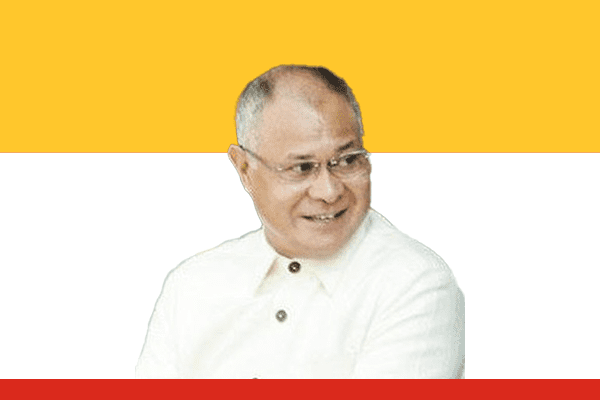
Vicente Guterres
Vicente Guterres is a prominent political figure from East Timor, also officially known as Timor-Leste. Born on 22 November 1955, Guterres has played a significant role in the country’s political development, particularly in the years following its struggle for independence. Known for his long-standing involvement in parliamentary leadership and constitutional governance, he has served in various high-ranking positions, including Acting President and President of the National Parliament.
Vicente Guterres was educated in law, which laid the foundation for his career in politics and public service. During the Indonesian occupation of East Timor (1975–1999), many leaders emerged from resistance movements and underground networks. Guterres was associated with political activism that sought self-determination for the Timorese people. After East Timor voted for independence in 1999 and formally became independent in 2002, he became increasingly involved in shaping the nation’s democratic institutions.
He is a senior member of the Fretilin (Revolutionary Front for an Independent East Timor), one of the country’s major political parties. Fretilin played a central role in the independence struggle and later in forming the government. Guterres’ political career has been closely tied to the party’s leadership and parliamentary activities.
Vicente Guterres first gained major national prominence when he was elected as President of the National Parliament of East Timor in 2002, serving until 2007. As parliamentary speaker, he was responsible for overseeing legislative debates, maintaining order in the chamber, and guiding the newly formed parliament during its formative years. His leadership during this period was crucial in establishing parliamentary procedures and strengthening democratic norms in a young nation still recovering from conflict and instability.
In 2008, Guterres briefly served as Acting President of East Timor following an assassination attempt on then-President José Ramos-Horta. According to the constitution, the President of the National Parliament assumes the role of Acting Head of State when the sitting president is unable to perform duties. During this sensitive period, Guterres ensured constitutional continuity and political stability until Ramos-Horta recovered and resumed office. His calm and constitutional approach during the crisis was widely regarded as a demonstration of institutional maturity.
Over the years, Vicente Guterres has also served as Deputy Prime Minister and held other key governmental roles. His political experience spans legislative, executive, and ceremonial functions. In 2023, he was once again elected as President of the National Parliament, reaffirming his influence and standing within East Timorese politics.
Guterres is often described as a pragmatic and experienced statesman who values constitutional order and political dialogue. His leadership style emphasizes consensus-building and institutional strengthening rather than confrontational politics. In a country that has faced internal political tensions, shifting coalitions, and social challenges, his steady presence has contributed to maintaining democratic processes.
As a senior political leader, Vicente Guterres has witnessed and participated in East Timor’s transformation from a conflict-affected territory to a functioning democratic republic. The country continues to address economic development, youth employment, infrastructure needs, and regional cooperation, particularly within Southeast Asia. Leaders like Guterres play a role in guiding legislative reforms and ensuring that democratic governance remains stable.
In summary, Vicente Guterres stands as one of East Timor’s enduring political figures. From his early involvement in the independence movement to his service as Acting President and parliamentary leader, he has been closely connected to the nation’s political evolution. His career reflects the broader journey of East Timor itself—marked by struggle, transition, and the ongoing consolidation of democracy.