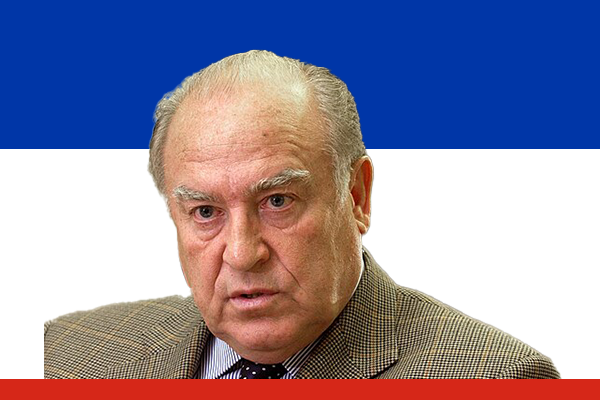
Mr. Viktor Chernomyrdin
In Office: 5 November 1996 – 6 November 1996
Political Party: Our Home – Russia
Home State: Saraktashsky
Lifespan: 1938–2010
Image credits available here.
Country: Russia
Early Life and Entry into Politics
Chernomyrdin grew up in a working-class family and developed a strong interest in technical and industrial work. After graduating from Samara Industrial Technical School, he worked at an oil refinery, where he gained firsthand experience in the energy sector. He joined the Communist Party in the 1960s and steadily advanced through regional industrial and political roles. His active involvement in the energy industry helped him understand the nation’s economic foundations, which later influenced his leadership approach.
Leadership in the Energy Sector
In the 1980s, Chernomyrdin played a crucial role in modernizing the Soviet Union’s gas industry. As Minister of the Gas Industry, he reorganized the sector and established Gazprom, transforming it into one of the most powerful energy corporations in the world. He actively developed energy infrastructure, improved efficiency, and promoted international energy cooperation. His vision connected Russia’s natural gas wealth to its global economic potential, setting the foundation for the country’s future economic growth.
Prime Ministerial Leadership
In 1992, President Boris Yeltsin appointed Chernomyrdin as Prime Minister of Russia. During his tenure, Chernomyrdin actively guided the country through one of its most turbulent economic periods. He implemented market reforms, managed privatization programs, and stabilized the national economy amid political uncertainty. His pragmatic leadership helped Russia transition from a centralized system to a market-driven economy, balancing reform with social stability.
Chernomyrdin often acted as a mediator between reformists and conservatives, maintaining dialogue and avoiding political confrontation. His diplomatic and steady approach earned him respect across party lines. He also supported collaboration with international organizations, securing financial aid and promoting Russia’s integration into the global economy.
Acting Presidency and Political Influence
In 1996, Chernomyrdin briefly served as acting President when Yeltsin underwent heart surgery. During this time, he ensured government continuity and national stability. Although his presidential role was temporary, he handled state affairs with responsibility and composure. His leadership during this period demonstrated his ability to maintain political balance and prevent crises.
Even after his term as Prime Minister ended in 1998, Chernomyrdin continued to play a vital role in Russian politics. Yeltsin later appointed him as Russia’s ambassador to Ukraine, where he actively worked to strengthen bilateral relations and resolve political and economic issues between the two nations.
Diplomatic Career and Later Contributions
As ambassador, Chernomyrdin focused on improving trade ties, energy cooperation, and regional stability. He consistently promoted dialogue and partnership between Russia and Ukraine. His diplomatic skills helped ease tensions and advance mutual interests, solidifying his reputation as a skilled negotiator and statesman. Beyond his official duties, he advised the Russian government on energy and foreign policy matters, sharing his extensive experience and insights.
Legacy and Impact
Viktor Chernomyrdin left a lasting legacy as one of Russia’s most influential political and economic leaders. He actively shaped the nation’s post-Soviet trajectory, advocating for balanced reform, energy development, and international cooperation. His leadership reflected resilience, adaptability, and a deep understanding of the challenges facing a transforming nation.
Chernomyrdin passed away on November 3, 2010, but his influence endures in Russia’s political and economic systems. His vision for a stable, energy-driven, and globally connected Russia continues to inspire leaders and policymakers.