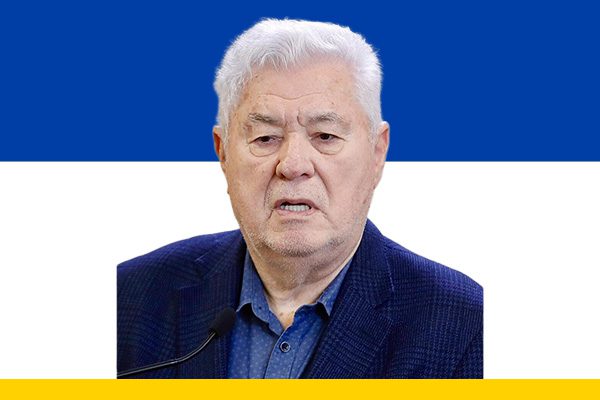
Early Life and Education
Vladimir Voronin was born on May 25, 1941, in Corjova, a village that is now part of Moldova. He completed his education in several institutions, including the Cooperative College in Chișinău and the Union Institute for Food Industry. Later, he studied social sciences and law, which strengthened his understanding of administration and governance. His educational background prepared him for a long career in public service and politics.
Beginning of His Career
Voronin started his professional career in 1961 as the head of a bakery. He later managed a bread factory and gained experience in administration and management. During the Soviet era, he worked in various government and party positions. His dedication and organizational skills helped him rise through the ranks of the Moldavian Communist Party. He also served in administrative institutions and eventually became Minister of Internal Affairs of the Moldavian Soviet Socialist Republic.
Rise in Moldovan Politics
After Moldova gained independence in 1991, Voronin remained active in politics. In 1993, he helped re-establish the Party of Communists of the Republic of Moldova (PCRM). A year later, party members elected him as its leader. Under his leadership, the PCRM became one of the strongest political forces in the country. Voronin consistently promoted social stability, economic development, and a stronger role for the state in national affairs.
Presidency of Moldova
In 2001, Moldova’s Parliament elected Vladimir Voronin as President after the Communist Party won a parliamentary majority. During his presidency, he focused on improving economic conditions, reducing poverty, and strengthening state institutions. His government introduced reforms that aimed to modernize the economy and improve public services. He also sought to balance Moldova’s relationships with both Russia and Western countries.
One of the major challenges of his presidency involved the Transnistria conflict, a long-standing territorial dispute in Moldova. Voronin worked toward finding a peaceful solution and encouraged international cooperation on the issue. Although the conflict remained unresolved, his administration kept it at the center of national and international discussions.
Second Term and Political Challenges
In 2005, Parliament re-elected Voronin for a second presidential term. During this period, he promoted closer cooperation with European institutions while maintaining dialogue with Russia. His administration faced economic difficulties, political opposition, and debates about democratic reforms. Despite these challenges, he continued to play a significant role in shaping Moldova’s political direction.
The parliamentary elections of 2009 marked a turning point in Moldovan politics. Following political unrest and changes in parliamentary alliances, Voronin left the presidency later that year. His departure ended eight years of leadership but did not end his involvement in political life.
Legacy
Vladimir Voronin remains an important figure in Moldova’s modern history. Supporters praise his efforts to maintain stability and strengthen state institutions, while critics debate some of his political decisions and policies. Regardless of differing opinions, his influence on Moldovan politics is undeniable. His leadership helped shape the country during a crucial period of transition and development.
Conclusion
Vladimir Voronin’s career reflects decades of public service, political leadership, and national influence. From his early work in administration to his years as President of Moldova, he played a central role in the country’s political evolution. His contributions continue to attract attention from historians, political analysts, and citizens interested in Moldova’s contemporary history.