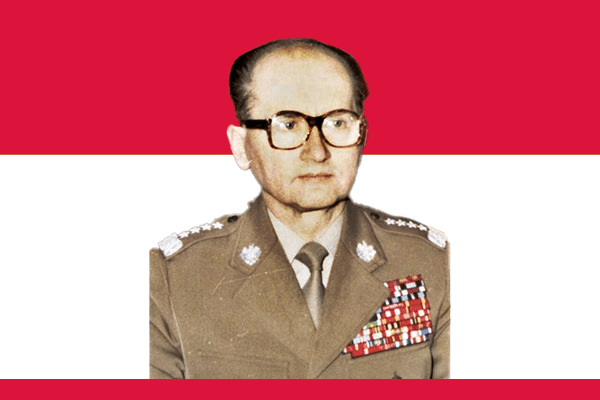
Early Life and Military Career
Wojciech Witold Jaruzelski was born on July 6, 1923, in Kurów, Poland. He came from a patriotic and noble Polish family. During World War II, Soviet authorities deported his family to Siberia after the Soviet Union occupied eastern Poland. This harsh experience deeply shaped his life. While in exile, he worked in difficult conditions and suffered health problems, including damage to his eyes, which later caused him to wear dark glasses.
After the war, Jaruzelski joined the Polish army formed under Soviet influence. He quickly rose through the military ranks because of his discipline, loyalty, and organizational skills. Over time, he became one of the most powerful military figures in communist Poland. He served as Minister of National Defense and later gained strong influence within the ruling Polish United Workers’ Party.
Rise to Power
Jaruzelski became Prime Minister of Poland in 1981 during a time of economic crisis, worker unrest, and growing public dissatisfaction. The independent trade union Solidarity, led by Lech Wałęsa, had become a major political force. It challenged communist control and demanded political reforms. Jaruzelski believed that the movement threatened state stability and feared that the Soviet Union might intervene militarily, as it had done in other Eastern Bloc countries.
On December 13, 1981, he declared martial law in Poland. He suspended civil liberties, arrested thousands of opposition activists, and imposed military control across the country. This decision remains the most controversial part of his career. Supporters argue that he acted to prevent chaos or a Soviet invasion. Critics insist that he crushed a peaceful democratic movement and violated the rights of Polish citizens.
Presidency and Democratic Transition
In 1989, Poland entered a historic turning point. Economic problems, public pressure, and weakening Soviet control forced the communist government to negotiate with the opposition. Jaruzelski took part in the Round Table Talks with Solidarity leaders. These talks opened the way for semi-free elections in June 1989, which marked the beginning of the end of communist rule in Poland.
After these elections, the National Assembly elected Jaruzelski as President of Poland in July 1989. He became the country’s first president in the new transition period. Although he held office for only a short time, he helped oversee the peaceful transfer of power from communist authorities to a democratic government. In 1990, he stepped down and allowed fully democratic presidential elections to take place.
Legacy and Historical Debate
Wojciech Jaruzelski remains a deeply divisive figure in Polish history. Some people view him as an authoritarian leader responsible for repression and the suffering of political opponents. Others consider him a pragmatic statesman who guided Poland away from violent conflict and toward peaceful change. Historians continue to debate whether martial law saved the country from Soviet intervention or merely prolonged communist oppression.
Jaruzelski died on May 25, 2014, in Warsaw, Poland. His life and presidency symbolize both the harsh realities of communist rule and the difficult path to democracy. Whether praised or criticized, he remains a central figure in Poland’s twentieth-century history.