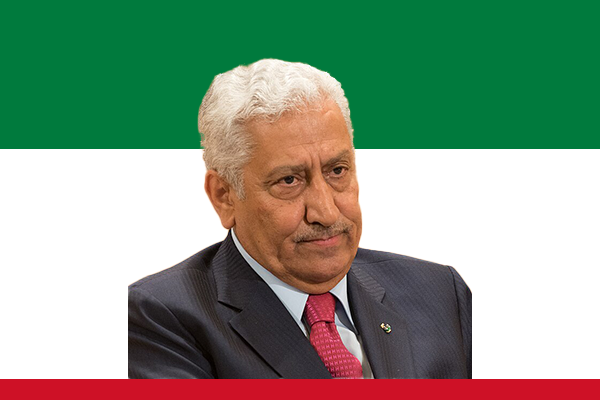
Early Life and Education
Abdullah Ensour was born on January 20, 1939, in Salt, Jordan. He grew up during a period of significant change in the Middle East, which shaped his interest in politics and governance. Ensour pursued higher education rigorously, earning a degree in economics and business administration from the University of Alexandria in Egypt. His strong academic foundation laid the groundwork for a career in public service and policy-making, especially in economic development and administrative reform.
Political Career
Ensour’s political career spans several decades, reflecting his enduring influence on Jordanian politics. He held multiple ministerial positions, including Minister of Planning, Minister of Finance, and Minister of Education. His expertise in economic and financial matters positioned him as a trusted advisor in government, especially during periods of fiscal reform and international negotiations.
In 2012, Abdullah Ensour was appointed as the Prime Minister of Jordan, a role he held until 2016. His tenure occurred during a challenging era, marked by regional instability, economic pressures, and the ongoing Syrian conflict, which affected Jordan’s social and economic landscape.
Governance and Policy Initiatives
As Prime Minister, Ensour focused on economic reform and social development. He prioritized fiscal responsibility, aiming to reduce Jordan’s budget deficit while promoting sustainable growth. Ensour’s government implemented policies to attract foreign investment, modernize infrastructure, and support small and medium-sized enterprises.
Education reform was another cornerstone of Ensour’s leadership. He emphasized improving the quality of education, investing in technology, and ensuring that Jordanian youth were prepared for a competitive global economy. His administration also focused on healthcare, public services, and the expansion of social safety nets to support vulnerable populations.
Regional and International Relations
Ensour’s leadership extended beyond domestic policy. He worked to strengthen Jordan’s diplomatic relations, maintaining the country’s role as a stable partner in the Middle East. His government engaged actively with the international community, securing support for refugees, particularly those fleeing conflict in neighboring Syria. Ensour also participated in economic forums and summits to attract investment and reinforce Jordan’s position in global economic and political networks.
Challenges and Achievements
During his term, Ensour faced multiple challenges, including public protests demanding political reform, rising living costs, and regional security threats. Despite these pressures, he managed to implement key economic and social policies that improved government transparency and efficiency. His pragmatic approach to governance earned him respect both domestically and internationally.
Ensour’s efforts in balancing economic growth with social welfare initiatives contributed to Jordan’s resilience during turbulent times. He also played a critical role in strengthening Jordan’s institutions, promoting reforms in governance, and ensuring continuity of public services despite regional crises.
Legacy and Impact
Abdullah Ensour is remembered as a dedicated public servant whose leadership emphasized stability, reform, and development. His focus on economic modernization, education, and social welfare left a lasting impact on Jordan’s governance and policymaking framework. Even after his tenure as Prime Minister, Ensour continues to influence discussions on political reform and economic development in Jordan.
His legacy serves as a model for leadership grounded in pragmatism, experience, and commitment to public service. Abdullah Ensour’s career demonstrates how steady governance, coupled with a focus on reform, can guide a nation through complex regional and domestic challenges.