Mr. Abdullah
In Office: 21 February 1996 – 23 January 2015
Political Party: League of Arab States
Home State: Riyadh
Lifespan: 1924 – 2015
Country: Saudi Arabia
Image credits available here.
Early Life and Rise to Leadership
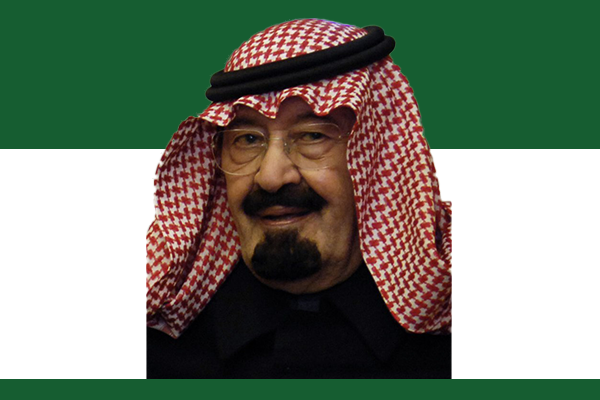
King Abdullah was born in 1924 as the son of King Abdulaziz, the founder of Saudi Arabia. From an early age, he developed strong ties with tribal leaders and gained deep knowledge of Bedouin traditions. He built his reputation through discipline and personal integrity. In 1962, he assumed command of the Saudi National Guard, where he modernized the force and strengthened internal security. This role allowed him to gain administrative experience and public trust, which later supported his rise to national leadership.
Accession to the Throne
In 2005, King Abdullah formally became the ruler of Saudi Arabia after the death of King Fahd. By that time, he had already guided the country for nearly a decade due to King Fahd’s illness. As king, Abdullah immediately focused on continuity and stability, while also signaling a readiness for reform. He adopted an active governing style and personally supervised major policy initiatives.
Domestic Reforms and Social Development
King Abdullah actively promoted social and economic reforms. He expanded the education sector by establishing new universities, most notably the King Abdullah University of Science and Technology (KAUST). He also launched large scholarship programs that sent thousands of Saudi students abroad, believing education would shape the nation’s future.
In social matters, he cautiously improved opportunities for women. He appointed women to the Shura Council and allowed them to participate in municipal elections. While he respected conservative values, he consistently pushed institutions to adapt to modern needs.
Economic Policies and Infrastructure Growth
King Abdullah invested heavily in infrastructure and economic diversification. He approved large-scale development projects in housing, transportation, and healthcare. He strengthened oil sector management while encouraging private investment and industrial growth. Through these efforts, he aimed to reduce unemployment and improve living standards for Saudi citizens.
Foreign Policy and International Role
In foreign affairs, King Abdullah pursued diplomacy and moderation. He strengthened relations with both Western and Islamic nations. He proposed peace initiatives in the Middle East and emphasized dialogue over confrontation. Under his leadership, Saudi Arabia positioned itself as a stabilizing force in regional and global politics.
Legacy and Impact
King Abdullah left a lasting legacy of gradual reform and institutional strengthening. He demonstrated that Saudi Arabia could modernize without abandoning its core traditions. His leadership style combined firmness with compassion, earning respect at home and abroad. Even after his death in 2015, his policies continued to influence the kingdom’s direction.
Conclusion
King Abdullah bin Abdulaziz Al Saud actively guided Saudi Arabia through a period of careful transformation. By prioritizing education, stability, and reform, he helped prepare the nation for the challenges of the modern world while safeguarding its cultural identity.