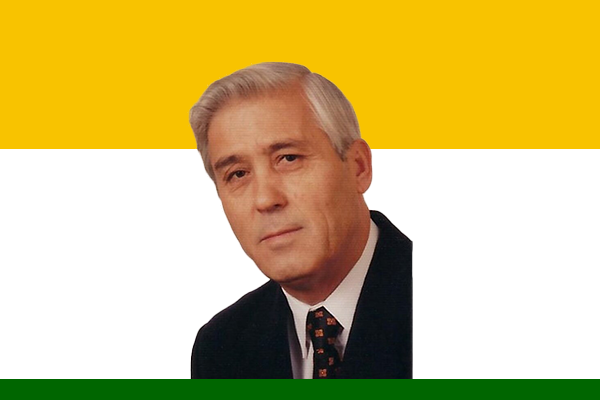
Mr. Akbar Mirzoyev
In Office: 9 January 1992 – 21 September 1992
Political Party: Independent
Home State: Kulob
Lifespan: born 1939
Country: Tajikistan
Image credits available here.
Early Life and Education
Akbar Mirzoyev was born into a family that valued education, public responsibility, and civic duty. From an early age, he demonstrated strong analytical skills and an interest in public affairs. He pursued higher education in political science, public administration, and economics, fields that later defined his professional trajectory. His academic background equipped him with a deep understanding of governance systems, economic planning, and institutional management, preparing him for a life in public service.
Entry into Public Service
Mirzoyev began his career in government as a civil servant, where he gained firsthand experience in administrative procedures and policy implementation. He worked in various ministries and departments, steadily building a reputation for efficiency, integrity, and problem-solving. His ability to manage complex portfolios and deliver results led to rapid advancement within the bureaucratic structure. Colleagues and superiors alike recognized his talent for coordination and long-term planning.
Rise in Political Leadership
As his career progressed, Akbar Mirzoyev transitioned from administrative roles to senior political positions. He played an active role in shaping national policies related to economic development, infrastructure expansion, and public sector reform. His leadership style emphasized data-driven decision-making, transparency, and accountability. These qualities strengthened public confidence and positioned him as a capable leader during periods of political and economic transition.
Appointment as Prime Minister
Akbar Mirzoyev assumed the office of Prime Minister at a time when the country faced both challenges and opportunities. His appointment reflected trust in his experience and vision. As Prime Minister, he prioritized institutional stability while advancing reforms aimed at improving governance efficiency. He focused on strengthening coordination between ministries, enhancing service delivery, and ensuring that government programs addressed the needs of citizens.
Domestic Policies and Governance
Under Mirzoyev’s leadership, the government emphasized economic diversification, infrastructure development, and social welfare. He supported policies designed to attract investment, promote small and medium enterprises, and modernize key sectors of the economy. In social policy, he advocated for improved education, healthcare access, and employment generation. His administration worked to reduce bureaucratic delays and implement digital governance tools to increase transparency.
Foreign Relations and Diplomacy
Prime Minister Akbar Mirzoyev also contributed to shaping foreign policy through diplomatic engagement and regional cooperation. He supported constructive relations with neighboring countries and international partners, focusing on trade, security, and cultural exchange. His diplomatic approach aimed to enhance the country’s global standing while safeguarding sovereignty and national interests.
Leadership Style and Legacy
Mirzoyev is widely regarded as a disciplined, methodical, and forward-looking leader. He values consultation with experts and stakeholders, believing that inclusive decision-making leads to sustainable outcomes. His legacy is associated with administrative reform, economic pragmatism, and a steady approach to governance. While challenges remain, his tenure reflects a commitment to stability, modernization, and responsible leadership.
Conclusion
Prime Minister Akbar Mirzoyev stands as a leader shaped by experience, education, and public service. Through his policies and governance style, he has sought to guide the nation toward balanced development and institutional strength. His role in modern governance highlights the importance of competence, integrity, and vision in national leadership.