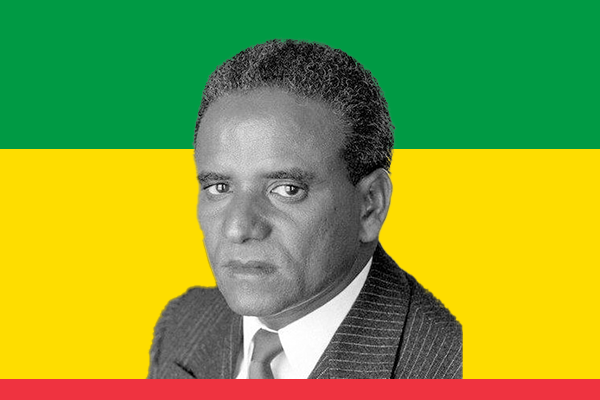
Early Life and Education
Aklilu Habte-Wold was born in 1912 in the Shewa region of Ethiopia. He came from a family of noble lineage that valued education and public service. Aklilu pursued his early education in Ethiopia and later attended schools in Europe, where he developed a strong foundation in law, politics, and administration. His education prepared him to serve his country during a period of significant political transformation.
Early Career in Government
Aklilu began his career in the Ethiopian civil service, joining various administrative roles in the government. His intelligence, diligence, and diplomatic skills quickly earned him recognition. By the 1940s, he had become a trusted advisor to Emperor Haile Selassie, participating in critical policy-making decisions and contributing to Ethiopia’s post-war reconstruction efforts.
Appointment as Prime Minister
In 1961, Emperor Haile Selassie appointed Aklilu Habte-Wold as the Prime Minister of Ethiopia. As Prime Minister, Aklilu took on the responsibility of implementing the emperor’s vision for modernization and national development. He actively oversaw economic programs, infrastructure development, and educational reforms aimed at strengthening Ethiopia’s institutions.
Economic and Social Reforms
During his tenure, Aklilu implemented significant reforms to modernize Ethiopia’s economy and society. He promoted agricultural development and encouraged modernization in urban centers. Aklilu worked to improve public services and expand access to education. He also supported the development of transportation networks, aiming to connect remote regions and stimulate commerce. His reform efforts reflected a forward-looking vision for Ethiopia’s growth and integration into the global economy.
Diplomacy and International Relations
Aklilu Habte-Wold actively represented Ethiopia on the international stage. He strengthened diplomatic ties with Western and African nations, advocating for Ethiopia’s role in regional stability and economic cooperation. He participated in several international conferences and worked to secure foreign aid for Ethiopia’s development programs. His diplomatic skills enhanced Ethiopia’s image abroad and reinforced the country’s influence in African affairs.
Political Challenges
Despite his accomplishments, Aklilu faced political challenges during his tenure. The rise of student movements and calls for land reform created tension in the country. Opposition groups criticized the government for slow social progress and limited political freedoms. Aklilu responded by attempting to balance the demands for reform with maintaining national stability. His leadership reflected a careful, though sometimes cautious, approach to governance.
Fall from Power and Later Life
In 1974, widespread unrest culminated in the Ethiopian Revolution, which led to the overthrow of Emperor Haile Selassie’s government. Aklilu Habte-Wold, along with other high-ranking officials, was arrested by the new military regime. Tragically, he and several members of the former government were executed later that year. His death marked the end of an era in Ethiopian politics and left a complex legacy of modernization efforts and political service.
Legacy and Influence
Aklilu Habte-Wold remains remembered as a central figure in Ethiopia’s mid-20th-century governance. His leadership combined administrative skill, diplomatic acumen, and a vision for modernization. Scholars and historians acknowledge his contributions to economic development, international diplomacy, and the shaping of Ethiopia’s modern political institutions. Although his life ended tragically, his influence continues to be studied as part of Ethiopia’s historical and political narrative.