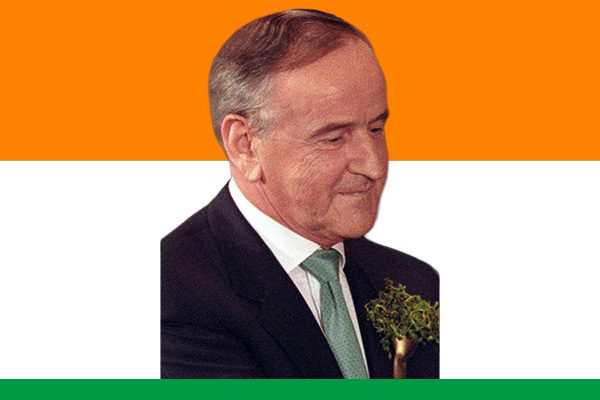
Early Life and Education
Albert Reynolds was born on November 3, 1932, in Rooskey, County Roscommon, Ireland. He grew up in a hardworking family and developed strong business skills at an early age. Before entering politics, he worked as a businessman and managed several successful enterprises. His experience in business gave him valuable knowledge about economic growth, job creation, and financial management.
Reynolds attended local schools and later focused on developing his business career. His practical understanding of economics helped him gain respect among both political leaders and ordinary citizens.
Entry into Politics
Albert Reynolds entered politics as a member of Fianna Fáil, one of Ireland’s major political parties. He won election to the Irish parliament, known as the Dáil Éireann, in 1977. His dedication and leadership abilities quickly earned him important responsibilities within the government.
During his early political career, Reynolds held several ministerial positions. He served as Minister for Posts and Telegraphs, Minister for Industry and Commerce, and Minister for Finance. In these roles, he worked to improve economic conditions and promote industrial development.
Becoming Taoiseach
In 1992, Albert Reynolds became the Taoiseach of Ireland. His government focused on economic progress, international cooperation, and peace efforts. Reynolds believed that Ireland could achieve greater prosperity through investment, trade, and constructive political dialogue.
As Taoiseach, he encouraged policies that supported business growth and employment opportunities. He also strengthened Ireland’s relationships with other European countries and promoted active participation in European affairs.
Contribution to the Northern Ireland Peace Process
One of Reynolds’ most important achievements was his contribution to the Northern Ireland peace process. He worked closely with political leaders in both Ireland and the United Kingdom to reduce tensions and encourage dialogue.
Reynolds collaborated with John Major to create the foundations for future peace negotiations. Their efforts led to the 1993 Downing Street Declaration, a significant document that promoted peaceful solutions to long-standing conflicts.
Many historians consider Reynolds’ role in the peace process one of his greatest accomplishments. His commitment to dialogue helped create conditions that eventually led to major peace agreements in later years.
Leadership Style
Albert Reynolds brought a practical and results-oriented approach to leadership. His business background influenced his decision-making style. He preferred direct communication and focused on solving problems efficiently.
Supporters admired his determination and willingness to take political risks in pursuit of peace and economic progress. He often emphasized cooperation and compromise as essential tools for achieving national goals.
Legacy and Death
After leaving office in 1994, Reynolds remained an important figure in Irish public life. Many people remembered him for his contributions to economic development and peace-building efforts.
Albert Reynolds passed away on August 21, 2014, at the age of 81. Political leaders from Ireland and abroad paid tribute to his service and achievements. His work during a crucial period in Irish history continues to receive recognition.
Conclusion
Albert Reynolds left a lasting mark on Ireland through his leadership, business experience, and commitment to peace. As Taoiseach, he promoted economic growth and played a crucial role in advancing the Northern Ireland peace process. His dedication to cooperation and progress makes him one of the most significant Irish political leaders of the late twentieth century.