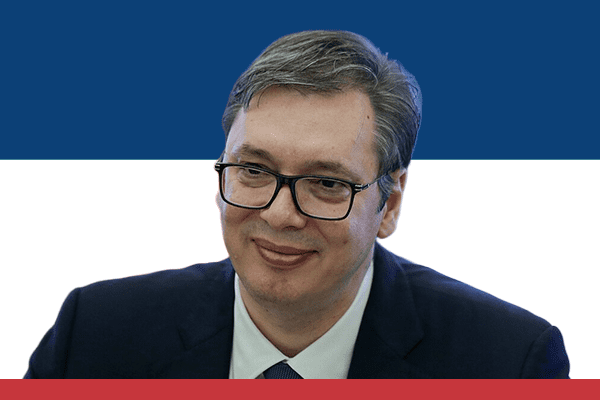
Early Life and Education
Aleksandar Vučić was born on March 5, 1970, in Belgrade, Serbia, which was then part of Yugoslavia. He grew up in a family that valued education and discipline. From an early age, he showed interest in politics, history, and public affairs.
He studied law at the University of Belgrade and graduated with a law degree. During his student years, he developed strong communication skills and became deeply interested in political debates. Instead of choosing a legal career, he entered politics and quickly gained attention for his speeches and leadership qualities.
Political Career Beginnings
Vučić began his political career in the 1990s when Yugoslavia faced political instability and conflict. He joined the Serbian Radical Party, where he worked closely with nationalist leaders. His strong public speaking skills and political strategies helped him rise rapidly within the party.
In 1998, he became Serbia’s Minister of Information. During this period, he defended government policies and gained significant national recognition. Although critics questioned some of his actions, he continued building his political career and expanded his influence across Serbia.
Formation of the Serbian Progressive Party
In 2008, Aleksandar Vučić co-founded the Serbian Progressive Party along with Tomislav Nikolić. The new party adopted a more moderate and pro-European approach. Vučić focused on economic growth, modernization, and European integration while maintaining strong national interests.
The Serbian Progressive Party quickly gained popularity because many citizens wanted political and economic reforms. Vučić actively campaigned across the country and connected with voters through public meetings and media appearances. His leadership helped the party become one of Serbia’s dominant political forces.
Prime Minister of Serbia
In 2014, Vučić became Prime Minister of Serbia. As prime minister, he introduced economic reforms aimed at reducing unemployment and improving foreign investment. He encouraged infrastructure development, strengthened trade relations, and promoted Serbia as an attractive destination for international businesses.
He also emphasized regional cooperation in the Balkans. Through diplomatic efforts, he improved Serbia’s relationships with neighboring countries while balancing ties with both the European Union and Russia. His government actively pursued European Union membership negotiations, which became an important national objective.
Presidency and Leadership Style
In 2017, Aleksandar Vučić won the presidential election and became President of Serbia. As president, he continued shaping Serbia’s domestic and foreign policies. He frequently addressed the public, promoted economic projects, and represented Serbia at international forums.
Vučić maintains a strong and active leadership style. He regularly visits cities and towns, meets citizens, and participates in public events. Supporters praise his dedication and political experience, while critics sometimes express concerns about media freedom and political opposition in Serbia.
Despite criticism, Vučić remains one of the most powerful political figures in the region. His ability to maintain political influence and public support demonstrates his importance in Serbian politics.
Achievements and Challenges
Under Vučić’s leadership, Serbia has experienced infrastructure growth, increased foreign investments, and improved economic stability. Major construction projects, highways, and urban development programs have transformed several parts of the country.
However, he also faces challenges such as political polarization, corruption concerns, and ongoing negotiations regarding Kosovo. Managing Serbia’s relationship with global powers while maintaining domestic stability continues to require careful diplomacy and leadership.
Conclusion
Aleksandar Vučić has played a major role in shaping modern Serbia. Through active leadership, political reforms, and international diplomacy, he has influenced the country’s economic and political direction. His supporters view him as a strong leader committed to national progress, while critics continue to debate aspects of his governance. Regardless of differing opinions, Vučić remains a central figure in Serbian politics and an important leader in the Balkans.