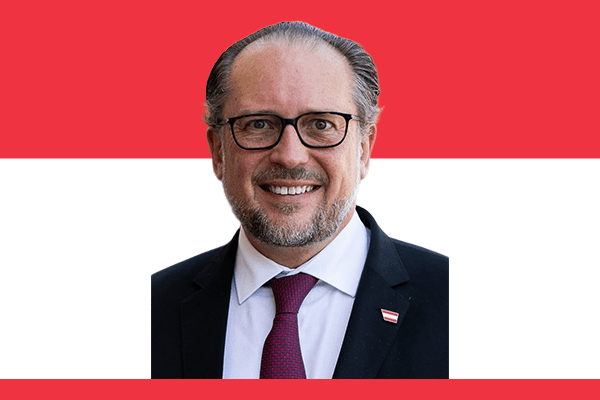
Early Life and Education
Alexander Schallenberg was born on June 20, 1969, in Bern, Switzerland. He came from a diplomatic family, which exposed him to international affairs from an early age. His father served as an Austrian diplomat, and this environment inspired Schallenberg to pursue a career in diplomacy and public service.
He studied law at the University of Vienna and later continued his education in Paris. During his academic years, he developed a strong understanding of international law, politics, and European relations. His education prepared him for a successful diplomatic and political career.
Diplomatic Career
Alexander Schallenberg began his professional journey in Austria’s foreign service during the 1990s. He worked in several diplomatic positions and gained valuable experience in European affairs. Instead of limiting himself to administrative duties, he actively participated in negotiations and policy discussions.
He served in Austrian embassies and represented Austria in international organizations. His diplomatic style emphasized cooperation, dialogue, and strategic partnerships. Over time, he earned respect for his professionalism and expertise in foreign policy matters.
Schallenberg also worked closely with Austrian leaders on European Union affairs. He contributed to strengthening Austria’s relationship with neighboring countries and global partners. His deep understanding of diplomacy made him one of Austria’s trusted foreign policy experts.
Rise in Austrian Politics
In 2019, Alexander Schallenberg became Austria’s Foreign Minister. In this role, he actively addressed international challenges, including migration, security, and European cooperation. He frequently represented Austria at European Union meetings and international conferences.
His leadership gained greater attention during global crises, including the COVID-19 pandemic. He supported international coordination and emphasized cooperation among European nations. Through his active involvement, he strengthened Austria’s diplomatic presence on the world stage.
In October 2021, Schallenberg became the Chancellor of Austria after Sebastian Kurz resigned from office. Although his time as chancellor lasted only a few months, he managed the country during a politically sensitive period. He focused on stability, governance, and public confidence.
Leadership Style and Political Views
Alexander Schallenberg is known for his diplomatic and balanced leadership style. Rather than using aggressive political rhetoric, he promotes dialogue and practical solutions. His calm personality and international experience allow him to handle complex political situations effectively.
He strongly supports the European Union and believes in international cooperation. He advocates for strong diplomatic relations and emphasizes Austria’s role within Europe. He also supports environmental protection, security cooperation, and economic stability.
During his political career, Schallenberg consistently encouraged responsible governance and transparency. He aimed to maintain Austria’s reputation as a reliable and cooperative European nation.
Contributions and Achievements
One of Schallenberg’s key achievements includes strengthening Austria’s international image through active diplomacy. He played an important role in European discussions on migration, public health, and foreign relations. His diplomatic background helped Austria maintain constructive relationships with global partners.
As Foreign Minister, he promoted Austria’s cultural and economic interests abroad. He also supported international dialogue during challenging global situations. His work demonstrated the importance of diplomacy in solving international problems peacefully.
Even during short-term leadership roles, Schallenberg showed commitment to public service and national stability. His experience in diplomacy allowed him to navigate political transitions smoothly.
Conclusion
Alexander Schallenberg remains an influential figure in Austrian politics and diplomacy. Through active leadership, diplomatic expertise, and dedication to European cooperation, he has contributed significantly to Austria’s political and international standing. His career reflects professionalism, stability, and commitment to public service.