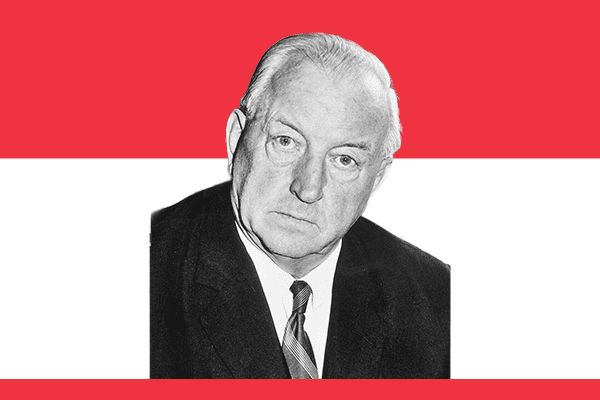
Early Life and Education
Alfons Gorbach was born on September 2, 1898, in Imst, Tyrol, Austria. He grew up in a modest family and experienced the challenges of life in the Austro-Hungarian Empire. During his youth, Europe faced political instability and war, which deeply influenced his worldview.
He studied law at the University of Innsbruck and developed a strong interest in politics and public administration. During World War I, he served in the military and suffered severe injuries that affected him throughout his life. Despite these hardships, he remained determined to contribute to Austrian society.
Entry into Politics
After completing his education, Gorbach entered politics and joined the Christian Social movement, which later evolved into the Austrian People’s Party. He believed in democracy, social justice, and cooperation between political groups.
During the 1930s and 1940s, Austria faced dictatorship, political unrest, and Nazi occupation. Gorbach strongly opposed extremist ideologies and supported Austrian independence. Because of his political beliefs, authorities imprisoned him in concentration camps during the Nazi era. These experiences strengthened his commitment to democracy and human rights.
After World War II, Gorbach returned to political life and helped rebuild Austria’s democratic institutions. He quickly earned respect for his integrity, leadership, and dedication to national recovery.
Rise to National Leadership
Alfons Gorbach became a leading figure in the Austrian People’s Party during the postwar years. He worked closely with other political leaders to stabilize Austria’s economy and government. Austria needed strong leadership to recover from war damage, economic hardship, and political division.
In 1961, Gorbach became Chancellor of Austria. He succeeded Julius Raab and continued policies that promoted economic growth and social partnership. His government encouraged cooperation between workers, businesses, and political parties to maintain national stability.
As chancellor, Gorbach strengthened Austria’s international image. He supported Austria’s neutrality during the Cold War and maintained balanced relations with both Western and Eastern nations. His diplomatic efforts helped Austria gain respect on the global stage.
Achievements as Chancellor
During his time in office, Gorbach focused on economic modernization and infrastructure development. His government invested in transportation, education, and industry, which improved living standards for many Austrians.
He also promoted social welfare programs and supported cooperation between employers and labor unions. This approach reduced political conflict and encouraged long-term economic stability.
Gorbach actively represented Austria in international meetings and strengthened ties with European nations. He believed Austria should contribute to peace and cooperation in Europe while protecting its independence and neutrality.
Although his term as chancellor lasted only three years, he left a lasting impact on Austrian politics through his balanced and practical leadership style.
Personal Life and Character
Alfons Gorbach earned admiration for his resilience and discipline. Despite suffering permanent injuries from World War I and enduring imprisonment during the Nazi period, he remained committed to public service.
He valued honesty, national unity, and democratic principles. Colleagues described him as calm, thoughtful, and determined. He preferred dialogue and cooperation over political confrontation.
Legacy
Alfons Gorbach played an important role in Austria’s postwar recovery and democratic development. His leadership helped strengthen Austria’s political stability during a challenging period in European history.
He demonstrated courage by opposing authoritarianism and defending democratic values. Through his work as chancellor, he promoted economic progress, social harmony, and international respect for Austria.
Today, historians remember Gorbach as a dedicated statesman who served his country with integrity and perseverance. His contributions continue to hold significance in Austria’s political history.
Conclusion
Alfons Gorbach devoted his life to public service and democratic leadership. From surviving war and political persecution to leading Austria as chancellor, he showed determination and patriotism. His efforts to modernize Austria and strengthen national unity left a lasting legacy that continues to inspire future generations.