Mr. Alfred Gusenbauer
In Office: 11 January 2007 – 2 December 2008
Political Party: Austrian People’s Party
Home State: Sankt Pölten
Lifespan: born 1960
Country: Austria
Image credits available here.
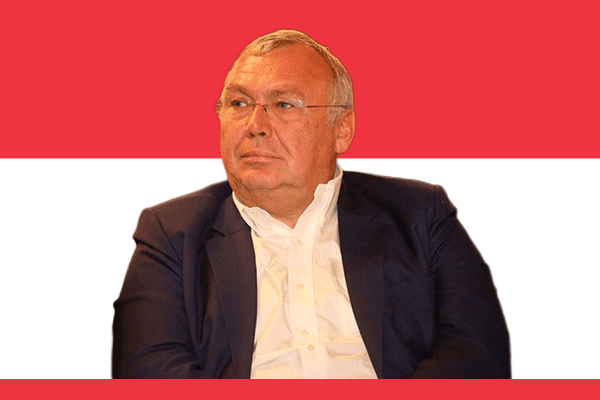
Early Life and Education
Alfred Gusenbauer was born on February 8, 1960, in St. Pölten, Austria. He grew up in a middle-class family and developed an interest in politics at a young age. During his student years, he actively participated in political discussions and youth organizations.
He attended the University of Vienna, where he studied political science, philosophy, and law. His education strengthened his understanding of government systems and international relations. While studying, he joined socialist student movements and quickly gained recognition for his leadership abilities.
Entry into Politics
Gusenbauer began his political career through the Social Democratic Party of Austria. He worked with the party’s youth wing and became one of its most influential young leaders. His dedication and organizational skills helped him rise steadily within the party.
In 1991, he entered the Austrian Parliament and represented the SPÖ in national politics. He focused on social justice, workers’ rights, and education reforms. His speeches and policy ideas earned respect from party members and political observers.
Leadership of the Social Democratic Party
In 2000, Alfred Gusenbauer became the leader of the Social Democratic Party of Austria. At that time, Austrian politics faced major changes, and the SPÖ needed strong leadership to regain public confidence. Gusenbauer modernized the party’s image and connected with younger voters through active campaigning.
He criticized economic inequality and supported policies that improved healthcare, education, and employment opportunities. He also promoted Austria’s role within the European Union and encouraged international cooperation.
Under his leadership, the SPÖ performed strongly in national elections. His ability to negotiate with political opponents and build alliances strengthened his position in Austrian politics.
Chancellor of Austria
After the 2006 parliamentary election, Alfred Gusenbauer became Chancellor of Austria in January 2007. He formed a coalition government with the Austrian People’s Party (ÖVP). As chancellor, he worked on tax reforms, labor policies, and social programs.
Gusenbauer aimed to improve living standards for ordinary citizens. He supported affordable education, economic growth, and pension reforms. His government also emphasized cooperation within the European Union and promoted Austria’s international relationships.
Although his time as chancellor lasted only until 2008, he managed several important political negotiations and policy discussions. Internal disagreements within the coalition government created challenges for his administration, which eventually led to his resignation as party leader and chancellor.
Life After Politics
After leaving active politics, Alfred Gusenbauer remained involved in international affairs and business activities. He worked as a consultant, speaker, and advisor for various organizations. His experience in politics and diplomacy made him a respected figure in European policy discussions.
He also participated in academic and economic forums where he discussed globalization, leadership, and European cooperation. Through these roles, he continued influencing public policy and international relations.
Legacy and Influence
Alfred Gusenbauer’s political career reflects his commitment to social democracy and modernization. He actively supported policies that strengthened social welfare systems and economic equality. Even though his time as chancellor was relatively short, he left a lasting impact on Austrian politics.
His leadership style emphasized dialogue, negotiation, and cooperation. He encouraged Austria to remain engaged with European institutions and global partnerships. Many political analysts recognize him as an important figure in contemporary Austrian political history.
Conclusion
Alfred Gusenbauer remains a significant personality in Austrian politics. Through active leadership and dedication to social democratic values, he contributed to Austria’s political and economic development. His career demonstrates the importance of communication, cooperation, and public service in democratic governance.