Mr. Ali Sastroamidjojo
In Office: 24 March 1956 – 9 April 1957
30 July 1953 – 12 August 1955
Political Party: Indonesian National Party
Home State: Purworejo Regency
Lifespan: 1903–1976
Country: Indonesia
Image credits available here.
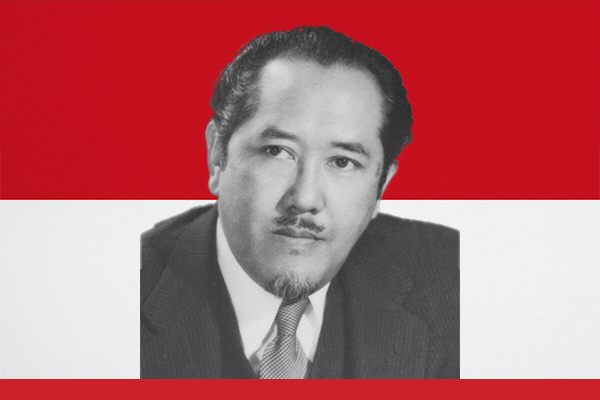
Early Life and Education
Ali Sastroamidjojo was born on May 21, 1903, in Grabag, Central Java, during the Dutch colonial era. His family valued education, which inspired him to pursue academic excellence. He studied at the Hogere Burger School (HBS) in Yogyakarta and later continued his education in the Netherlands. There, he attended Leiden University, where he earned a law degree. His exposure to European political ideas strengthened his belief in independence and equality for Indonesians.
Early Career and Nationalist Involvement
After returning to Indonesia, Ali began his career as a lawyer. He defended many Indonesians who faced colonial injustice, earning respect from nationalists and intellectuals. His legal expertise and courage made him a prominent figure in the independence movement. He joined the Indonesian National Party (PNI), founded by Sukarno, and actively promoted nationalist ideas. Ali believed that education, diplomacy, and law could strengthen Indonesia’s quest for freedom.
Role in the Struggle for Independence
During the Japanese occupation of Indonesia (1942–1945), Ali continued to advocate for national unity and self-determination. When Indonesia declared its independence in 1945, he took part in shaping the new nation’s government. He helped draft legal frameworks that supported the country’s political stability. His ability to combine diplomacy and nationalism allowed him to become a trusted figure in post-independence politics.
Rise to Political Leadership
Ali Sastroamidjojo’s political career advanced rapidly after Indonesia achieved independence. He served in several ministerial positions, including Minister of Education and Culture. In this role, he developed policies that expanded access to education and promoted national identity through culture and language. His vision emphasized that education must serve as a foundation for progress and equality.
Becoming Prime Minister
In 1953, Ali Sastroamidjojo became Prime Minister of Indonesia, succeeding Wilopo. His government focused on restoring political stability, improving the economy, and strengthening Indonesia’s international position. He also served as Minister of Foreign Affairs, which allowed him to shape the country’s diplomatic strategies directly. Ali emphasized neutrality and independence in foreign policy, ensuring that Indonesia maintained sovereignty amid global Cold War tensions.
Leadership at the Bandung Conference
One of Ali Sastroamidjojo’s greatest achievements came in 1955 when he hosted the Bandung Conference. He brought together leaders from 29 Asian and African countries to promote peace, solidarity, and cooperation among newly independent nations. The conference marked a turning point in global politics, as it gave rise to the Non-Aligned Movement. Under his leadership, Indonesia emerged as a voice for developing nations and an advocate for global justice.
Domestic Reforms and Challenges
As Prime Minister, Ali implemented reforms in education, public service, and economic management. He encouraged agricultural development to reduce poverty and supported national industries to strengthen economic independence. However, his administration faced challenges such as political division, regional unrest, and economic instability. Despite these difficulties, he maintained his commitment to democracy and unity.
Second Term as Prime Minister
Ali returned to the position of Prime Minister in 1956. During his second term, he continued his efforts to consolidate Indonesia’s foreign relations and strengthen domestic governance. He worked to maintain balance among competing political factions and upheld Indonesia’s stance of neutrality in global conflicts. His diplomatic approach helped preserve national stability during a period of international tension.
Later Life and Legacy
After his tenure as Prime Minister, Ali remained active in politics and education. He served as Indonesia’s ambassador to the United States and contributed to several international discussions on peace and development. His dedication to law, diplomacy, and education left a lasting mark on Indonesia’s growth as an independent nation.
Ali Sastroamidjojo passed away on March 13, 1975. Indonesians remember him as a patriot, educator, and statesman who combined intelligence with integrity. His leadership during the country’s formative years helped lay the foundations of Indonesia’s democratic and diplomatic identity.