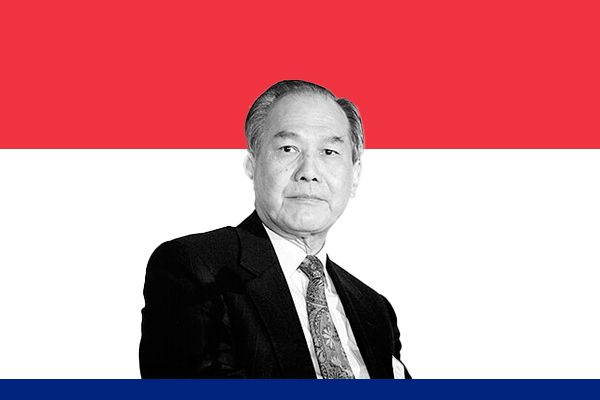
Early Life and Diplomatic Career
Anand Panyarachun was born in Bangkok in 1932 into a well-educated family. He pursued higher education in law and later built a distinguished career in diplomacy. Anand represented Thailand in several key international positions and served as Thailand’s Permanent Representative to the United Nations. Through these roles, he gained deep experience in international relations, trade negotiations, and global governance.
His diplomatic background shaped his leadership style. Anand emphasized dialogue, consensus-building, and rule-based decision-making. These qualities later helped him guide Thailand during sensitive political transitions.
First Term as Prime Minister (1991–1992)
Anand assumed office as Prime Minister in 1991 after a military coup removed the elected government. Although he did not emerge from an election, he worked hard to restore public confidence in governance. He formed a technocratic cabinet that included professionals, academics, and experienced administrators rather than career politicians.
During his first term, Anand focused on economic management, administrative reform, and foreign policy stability. He promoted transparency in government decision-making and reduced political interference in state institutions. Under his leadership, Thailand maintained economic growth and preserved investor confidence despite political uncertainty.
Second Term as Prime Minister (1992)
Following political unrest and public protests in 1992, Anand returned as Prime Minister to restore calm and guide the country back toward democracy. This period demanded firm leadership and moral authority, both of which Anand demonstrated consistently.
He prioritized national reconciliation and ensured that the government prepared the ground for free and fair elections. Anand resisted pressure to remain in power and clearly stated his role as a caretaker leader. His actions reinforced public trust and reduced political tensions across the country.
Contribution to Democratic Reforms
Anand Panyarachun strongly supported constitutional reform and democratic development. After stepping down from office, he chaired the Constitutional Drafting Assembly that produced Thailand’s 1997 Constitution. This constitution strengthened civil liberties, improved checks and balances, and encouraged greater public participation in politics.
He advocated clean politics, accountability, and ethical leadership. Anand openly criticized corruption and encouraged future leaders to serve the public interest. His commitment to democratic values left a lasting influence on Thailand’s political framework.
Leadership Style and Legacy
Anand led with integrity, discipline, and professionalism. He valued expertise over populism and placed national interest above political gain. Many citizens admired him as a rare example of a leader who governed without corruption or authoritarian ambition.
His legacy continues to inspire civil servants, diplomats, and political leaders in Thailand. Anand Panyarachun remains a symbol of principled leadership and responsible governance in Southeast Asia.
Conclusion
Prime Minister Anand Panyarachun guided Thailand through two critical transitions with wisdom and honesty. He strengthened institutions, promoted democracy, and demonstrated how ethical leadership can stabilize a nation during times of crisis. His contributions remain deeply respected and relevant in Thailand’s ongoing political development.