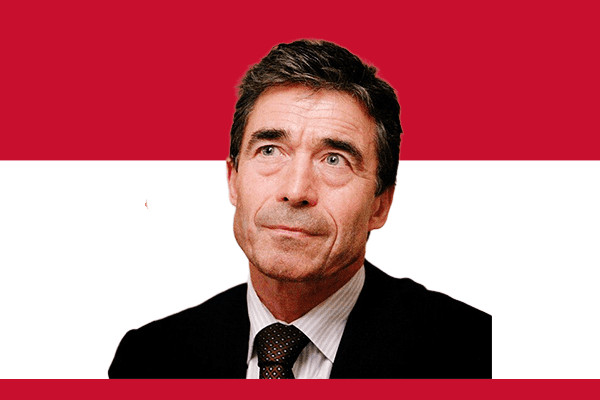
Early Life and Education
Anders Fogh Rasmussen was born on January 26, 1953, in Ginnerup, Denmark. He grew up in a farming family, which helped him understand the value of hard work and responsibility from a young age. Rasmussen studied economics at Aarhus University and graduated in 1978. During his student years, he showed a strong interest in politics and public affairs.
He joined the Liberal Party of Denmark, also known as Venstre, and quickly became active in political discussions. His determination and communication skills helped him rise rapidly within the party.
Political Career in Denmark
Rasmussen entered the Danish Parliament in 1978 at the age of 25. He became one of the youngest members of parliament in Danish history. Throughout the 1980s and 1990s, he held several important government positions, including Minister of Taxation and Minister of Economic Affairs.
In 2001, Rasmussen became the Prime Minister of Denmark after leading Venstre to electoral victory. He focused on economic reforms, tax reductions, and modernization of public services. His government encouraged economic growth by supporting business development and improving labor market policies.
Rasmussen also emphasized strict immigration policies and stronger national security measures. His leadership style combined economic liberalism with practical governance, which attracted broad public support during his tenure.
Leadership as Prime Minister
As Prime Minister, Anders Fogh Rasmussen strengthened Denmark’s position in international affairs. He supported cooperation with European and global organizations while maintaining Denmark’s national interests. Under his leadership, Denmark participated actively in international peacekeeping and military missions.
Rasmussen strongly supported the United States and allied nations during the Iraq War and the conflict in Afghanistan. Although these decisions sparked debate, he defended them as necessary steps to promote global security and democracy.
Domestically, he improved Denmark’s economy through disciplined financial management and reforms in education, healthcare, and welfare systems. His government worked to create a balance between economic efficiency and social welfare.
Secretary General of NATO
In 2009, Rasmussen became the Secretary General of NATO, one of the world’s most important defense alliances. During his time at NATO, he strengthened cooperation among member countries and promoted collective security.
He managed major international challenges, including military operations in Afghanistan and tensions involving Russia and Eastern Europe. Rasmussen encouraged member nations to increase defense cooperation and modernize military capabilities.
He also supported cybersecurity initiatives and emphasized the importance of defending democratic values. His diplomatic skills helped NATO maintain unity during difficult global situations.
Personal Life and Leadership Style
Anders Fogh Rasmussen is known for his disciplined personality, clear communication, and strategic thinking. He married Anne-Mette Rasmussen, and together they have children. Despite his busy political career, he maintained strong family values and public professionalism.
His leadership style focuses on action, accountability, and long-term planning. Rather than avoiding challenges, he addresses issues directly and promotes practical solutions. These qualities helped him succeed in both national and international leadership roles.
Legacy and Influence
Anders Fogh Rasmussen left a lasting impact on Danish politics and international diplomacy. In Denmark, he modernized economic policies and strengthened the country’s global influence. At NATO, he reinforced international cooperation and collective defense during a period of global uncertainty.
Many political experts consider him one of Denmark’s most influential modern leaders. His work continues to inspire discussions about security, democracy, and economic reform.
Conclusion
Anders Fogh Rasmussen built a remarkable political career through dedication, leadership, and active decision-making. From serving as Denmark’s Prime Minister to leading NATO, he demonstrated strong commitment to national progress and international stability. His influence on politics and global diplomacy remains significant today.