Mr. Andrei Sangheli
In Office: 1 July 1992 – 24 January 1997
Political Party: Democratic Agrarian Party
Home State: Grinăuți-Moldova
Lifespan: born 1944
Country: Moldova
Image credits available here.
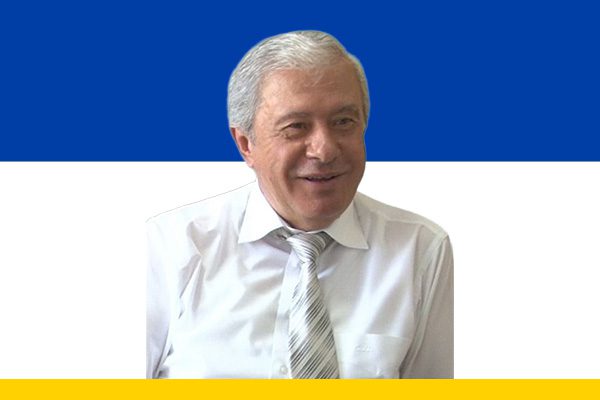
Early Life and Education
Andrei Sangheli was born on June 20, 1944, in the village of Grinăuți, located in what is now Moldova. He grew up in a rural environment where agriculture formed the foundation of daily life. This early experience influenced his future career and strengthened his interest in farming and rural development.
He pursued higher education in agricultural sciences and developed expertise in the management of agricultural enterprises. His academic background prepared him for leadership positions in the agricultural sector and later in government.
Beginning of His Political Career
Before entering national politics, Sangheli worked in agriculture and held several administrative positions. His practical knowledge of farming and rural economics earned him recognition among government officials. As Moldova moved toward independence in the late 1980s and early 1990s, he became increasingly involved in public administration.
His experience and leadership abilities helped him rise through the ranks of government. He gained a reputation as a capable manager who understood the challenges facing rural communities and agricultural producers.
Prime Minister of Moldova
In 1992, Andrei Sangheli became the Prime Minister of Moldova. He served in this position until 1997, making him one of the longest-serving prime ministers in the country’s early years of independence.
During his tenure, Moldova faced significant challenges. The country had to transform its economy from a centrally planned Soviet system into a market-oriented economy. This process required major reforms in agriculture, industry, and public administration.
Sangheli worked to maintain economic stability while supporting the agricultural sector, which remained essential to the Moldovan economy. His government introduced policies aimed at increasing agricultural productivity and improving conditions for farmers. He also focused on strengthening state institutions and promoting social stability.
Contributions and Achievements
One of Sangheli’s most important contributions involved supporting agricultural reform. He recognized that agriculture played a critical role in Moldova’s economy and sought to modernize farming practices. His policies encouraged greater efficiency and helped rural communities adapt to changing economic conditions.
He also contributed to the development of Moldova’s governmental structures during a formative period in the nation’s history. His administration managed several economic and political challenges while maintaining the functioning of key public institutions.
Although his government faced criticism and opposition, many observers acknowledge his efforts to provide stability during a complex period of national development.
Legacy
Andrei Sangheli remains an important figure in Moldovan political history. His years in office coincided with a crucial stage in the country’s transition to independence and market-based economic policies. His focus on agriculture reflected the needs of a nation where many citizens depended on farming for their livelihoods.
Historians and political analysts continue to study his leadership as part of Moldova’s post-Soviet transformation. His contributions to agricultural reform and government administration left a lasting impact on the country.
Conclusion
Andrei Sangheli played a significant role in the early development of independent Moldova. Through his leadership, administrative experience, and commitment to agricultural progress, he helped guide the nation through a challenging era. His career stands as an important chapter in the history of modern Moldova and demonstrates the influence that dedicated public service can have on a country’s future.