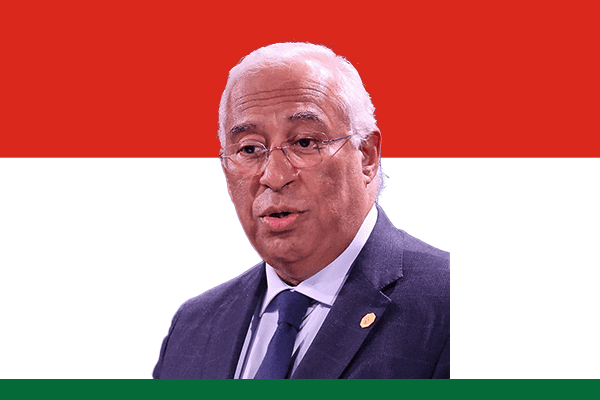
Early Life and Education
António Costa was born on July 17, 1961, in Lisbon, Portugal. He grew up in a politically aware family, which influenced his early interest in public service. His father, Orlando da Costa, was a writer and political activist, and this environment encouraged Costa to engage with social and political issues from a young age.
He studied law at the University of Lisbon and actively participated in student politics. Rather than remaining passive, he engaged in debates, organized activities, and built a strong foundation for his future political career.
Early Political Career
Costa began his political journey with the Socialist Party and quickly rose through its ranks. He served as a Member of Parliament and later held several ministerial positions. He worked as Minister of Parliamentary Affairs, Minister of Justice, and Minister of Internal Administration, where he actively contributed to policy development and governance.
Instead of limiting himself to administrative duties, he focused on implementing reforms and improving public services. His ability to manage complex responsibilities strengthened his reputation as an effective leader.
Mayor of Lisbon
In 2007, António Costa became the Mayor of Lisbon. During his tenure, he transformed the city through urban development, infrastructure improvements, and financial stabilization. He actively promoted tourism, improved public transport, and enhanced the city’s global image.
His leadership brought tangible results, and Lisbon gained recognition as a vibrant and modern European capital. Rather than adopting a passive approach, Costa engaged directly with citizens and stakeholders to address urban challenges.
Prime Minister of Portugal
In 2015, António Costa became Prime Minister of Portugal. He formed a government supported by left-wing parties, an arrangement often referred to as a political innovation in Portuguese politics. He actively pursued policies that reversed austerity measures while maintaining fiscal discipline.
Under his leadership, Portugal experienced economic growth, reduced unemployment, and improved public finances. He focused on increasing wages, pensions, and social benefits, aiming to enhance the quality of life for citizens. His government also prioritized renewable energy and digital transformation.
Costa played a significant role in managing the COVID-19 pandemic, implementing measures to protect public health and support the economy. He worked closely with European partners and strengthened Portugal’s position within the European Union.
Leadership Style and Challenges
António Costa leads with a pragmatic and consensus-driven approach. He emphasizes dialogue, cooperation, and stability. He actively engages with political allies and opponents to achieve policy goals.
However, his tenure also faced challenges, including political controversies and economic pressures. In 2023, he resigned as Prime Minister following an investigation related to government projects. Despite this setback, he maintained that he respected democratic institutions and legal processes.
Legacy and Impact
Costa’s leadership significantly influenced Portugal’s modern development. He demonstrated that economic growth and social progress could coexist. His policies strengthened public confidence and improved Portugal’s international reputation.
Rather than relying on passive governance, he consistently took initiative and adapted to changing circumstances. His tenure highlighted the importance of resilience, innovation, and inclusive leadership.
Conclusion
António Costa remains a key figure in Portuguese politics. Through active leadership and strategic vision, he guided Portugal through critical periods of change. His contributions continue to shape the country’s political landscape and future direction.