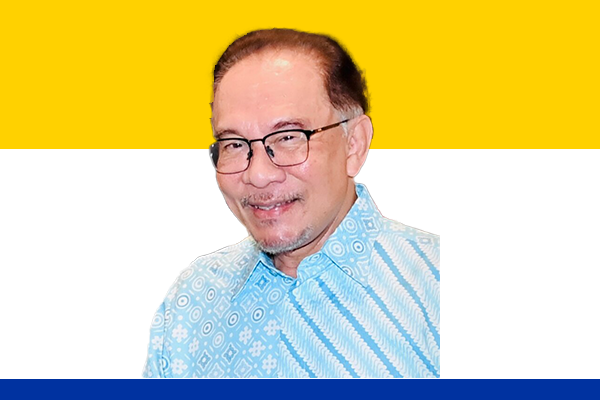
Mr. Anwar Ibrahim
In Office: 10 October 2022 – Incumbent
Political Party: Pakatan Harapan
Home State: Bukit Mertajam
Lifespan: born 1947
Country: Malaysia
Image credits available here.
Early Life and Education
Anwar Ibrahim was born on 10 August 1947 in Penang, Malaysia. He grew up in a modest family environment that emphasized education, discipline, and moral values. From an early age, he showed leadership qualities and a strong interest in social issues. Anwar pursued higher education at the University of Malaya, where he became actively involved in student politics. During this period, he gained national attention as a student leader who spoke boldly about poverty, rural development, and social inequality.
Entry into Politics
Anwar Ibrahim entered formal politics in the early 1980s when he joined the United Malays National Organisation (UMNO). His rapid rise within the party surprised many observers. He held several key ministerial positions, including Minister of Education and Minister of Finance. As a minister, he promoted educational reforms, strengthened financial discipline, and supported policies aimed at economic growth and modernization. His reputation as a capable and visionary leader continued to grow during this phase.
Deputy Prime Minister and Reformist Image
In 1993, Anwar Ibrahim became the Deputy Prime Minister of Malaysia. At the same time, he served as Finance Minister, where he advocated transparency, accountability, and ethical governance. During the Asian financial crisis of the late 1990s, Anwar supported reforms that emphasized financial responsibility and anti-corruption measures. These views strengthened his image as a reformist leader but also led to political tensions within the ruling establishment.
Political Struggles and Imprisonment
Anwar Ibrahim’s political career faced dramatic setbacks in 1998 when he was dismissed from his government positions and later imprisoned. Despite these challenges, he remained a symbol of resistance and democratic reform. His imprisonment sparked widespread public support and gave rise to the Reformasi movement, which demanded justice, transparency, and political change in Malaysia. Over the years, Anwar endured multiple legal battles, yet he continued to inspire supporters with his commitment to peaceful reform.
Return to Politics and Leadership
After his release, Anwar Ibrahim made a strong political comeback. He became the leader of the opposition and played a key role in uniting diverse political parties under a common reform agenda. His leadership helped strengthen democratic competition in Malaysia. Anwar consistently emphasized national unity, inclusive growth, and institutional reform, appealing to a wide range of voters across ethnic and social backgrounds.
Prime Ministership and Vision
In 2022, Anwar Ibrahim was appointed Prime Minister of Malaysia, marking a historic moment after decades of political struggle. As Prime Minister, he focused on fighting corruption, improving economic resilience, and reducing the cost of living. He also highlighted the importance of social justice, environmental responsibility, and strengthening democratic institutions. Anwar’s leadership style reflects consultation, moderation, and a strong moral framework.
Conclusion
Prime Minister Anwar Ibrahim’s life story is one of resilience, courage, and unwavering commitment to reform. From student activism to national leadership, his journey reflects the struggles and aspirations of modern Malaysia. As Prime Minister, he continues to work toward a more just, transparent, and inclusive nation, leaving a lasting impact on Malaysia’s political and social development.