Mr. Apas Jumagulov
In Office: 14 December 1993 – 14 March 1998
Political Party: Independent
Home State: Özgön
Lifespan: born 1934
Country: Kyrgyzstan
Image credits available here.
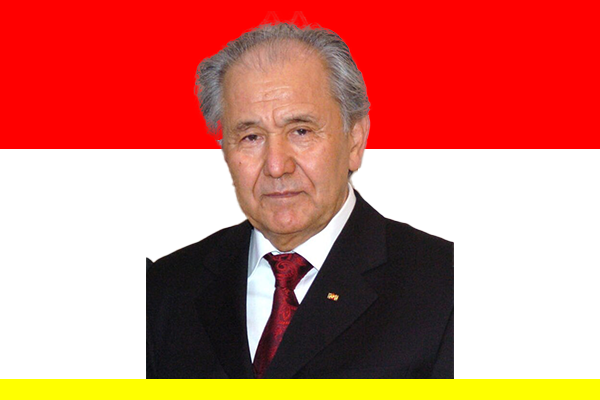
Early Life and Education
Apas Jumagulov was born in 1934 in what was then the Kyrgyz Soviet Socialist Republic. He pursued higher education in economics, a field that would later define much of his professional and political career. His academic background equipped him with analytical skills and a strong understanding of economic planning, which proved valuable during the turbulent post-Soviet transition. Like many leaders of his generation, Jumagulov began his career within Soviet institutions, gradually rising through administrative and governmental roles.
Rise in Government and Political Career
Before becoming Prime Minister, Apas Jumagulov held several important positions within the Soviet-era administrative system. He gained experience in economic management and regional governance, earning a reputation as a disciplined and pragmatic official. After Kyrgyzstan declared independence in 1991, the country required experienced leaders who could navigate the shift from a centrally planned economy to a market-oriented system. Jumagulov emerged as one of the trusted figures capable of handling this responsibility.
In 1993, Apas Jumagulov was appointed Prime Minister of Kyrgyzstan. His appointment reflected the leadership’s confidence in his economic expertise and administrative experience. At that time, the country faced high inflation, declining industrial output, and uncertainty in public institutions.
Tenure as Prime Minister
Apas Jumagulov served as Prime Minister from 1993 to 1998, making him one of the longest-serving heads of government in Kyrgyzstan’s early independence period. His tenure focused largely on economic stabilization and reform. He worked closely with the president and other state institutions to implement policies aimed at controlling inflation, restructuring state enterprises, and encouraging private ownership.
One of the defining aspects of Jumagulov’s leadership was his emphasis on gradual reform. Rather than pursuing rapid and disruptive changes, he supported a cautious approach to economic transformation. This strategy sought to reduce social unrest and protect vulnerable sections of society during a time of economic hardship.
Challenges and Achievements
Jumagulov’s government faced numerous challenges, including limited financial resources, declining living standards, and the loss of traditional Soviet markets. Despite these obstacles, his administration managed to maintain relative political stability. Kyrgyzstan avoided some of the more severe conflicts and economic collapses experienced by other post-Soviet states during the same period.
Under his leadership, the foundations of a market economy were laid, and state institutions gradually adapted to new political realities. While economic recovery was slow, the policies introduced during his tenure contributed to long-term structural changes in the country’s governance and economy.
Legacy and Historical Significance
Apas Jumagulov resigned as Prime Minister in 1998, marking the end of a significant chapter in Kyrgyzstan’s political development. His legacy is often associated with stability, administrative discipline, and pragmatic governance. Historians and political analysts view him as a transitional leader who helped guide Kyrgyzstan through one of the most uncertain phases of its modern history.